Home

Epoxy hardener dosage

  • Cycloaliphatic Amine Epoxy Hardener: YLH-3002 Failure Modes
    Cycloaliphatic Amine Epoxy Hardener: YLH-3002 Failure Modes
    Nov 17, 2026
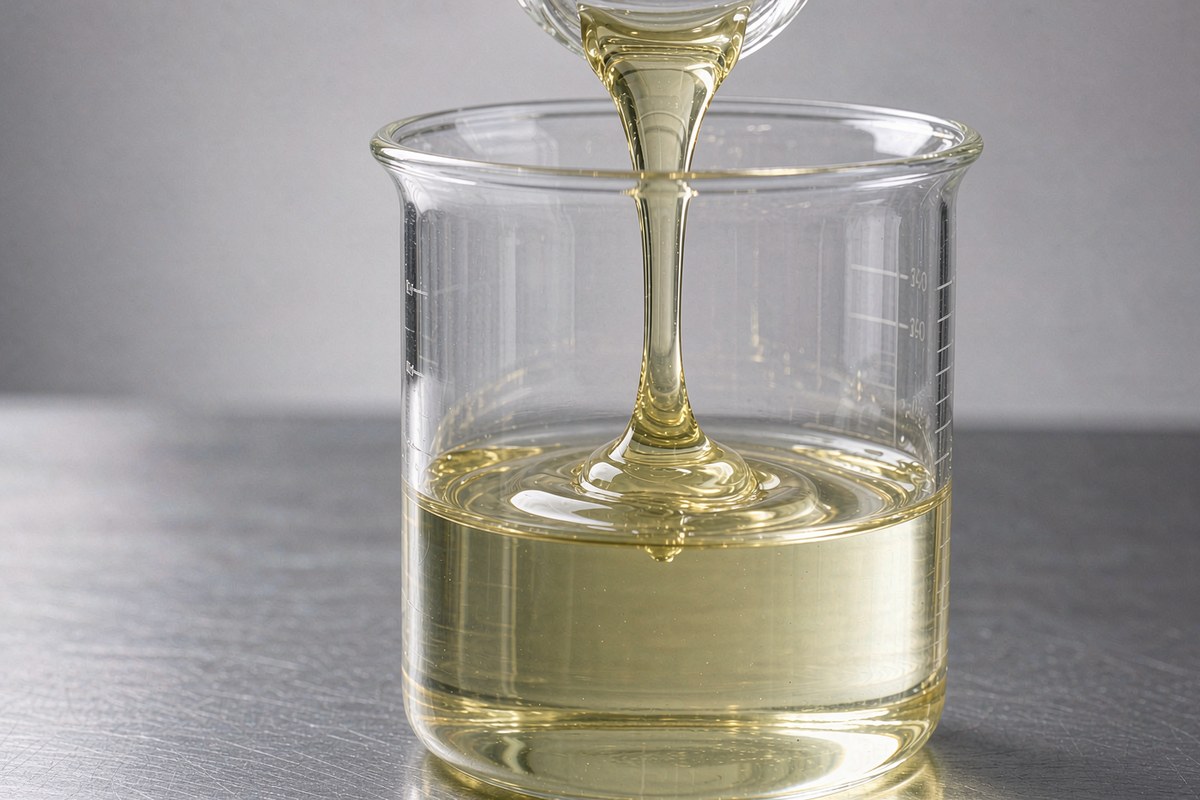
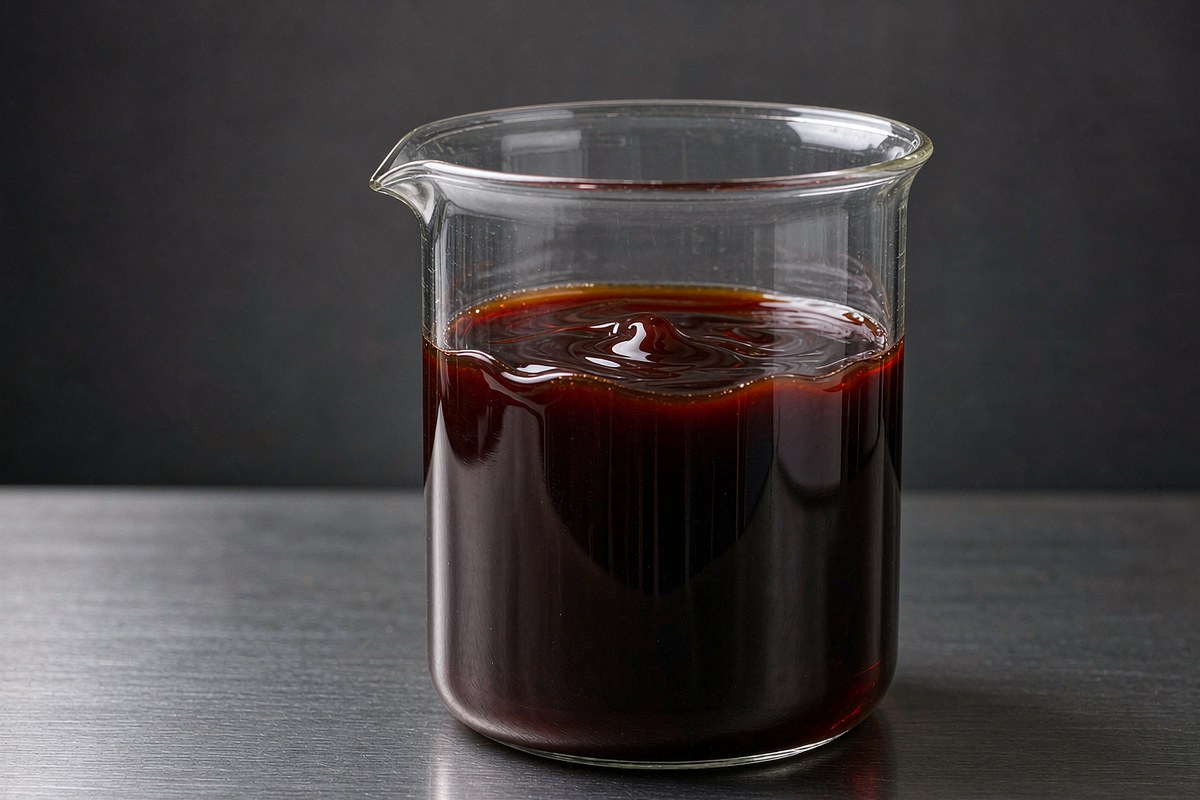
    Cycloaliphatic amine epoxy hardener YLH-3002 is a modified cycloaliphatic amine at AHEW 182 g/eq, 5000-12000 cps at 25 °C, and 96 phr on a 190 g/eq resin. Almost half the mixed mass ends up as hardener, and that load sets both the working window and the seven field defects documented in this report. Figure 1. YLH-3002 as supplied: a transparent liquid thick enough to pour as a rope, at a Gardner colour ceiling of 1. 1. Introduction Ambient-cure epoxy fails at the mixing bench more often than at the reactor. A hardener that pours at 15 °C and leaves 30 min of working time earns its price. YLH-3002 sits at the heavy end of the family: 5000-12000 cps and 182 g/eq, far from the 92-100 g/eq flooring grades, and that distance changes metering, air release and the pattern of defects. Seven defects follow, each with the arithmetic or mechanism behind it, plus where the grade does not fit. 2. Materials and Methods: Cycloaliphatic Amine Epoxy Hardener YLH-3002 2.1 Product Identification and Published Specification The page publishes no CAS, no formula, no pack size and no shelf life, so identity rests on the batch documents. Table 1. Identity and commercial data for YLH-3002. Item Information Grade YLH-3002 Chemical type Modified cycloaliphatic amine hardener CAS No. Not published Appearance Transparent viscous liquid Table 2. Published specification of YLH-3002 at 25 °C. Property Value Colour, Gardner Max. 1 Viscosity at 25 °C 5000-12000 cps AHEW 182 g/eq Amine value 290 mg KOH/g Density at 25 °C 1.04 g/cm³ Added weight 96 PHR Table 3. Cure response and mechanical data on a liquid bisphenol A resin of EEW 190. Test Result Gel time, 100 g mix at 25 °C 30 min Thin film set, 15 g at 3 mm, 25 °C 1.5 h Shore D 70, 15 g at 3 mm, 25 °C 6 h Bending failure load 227 N Bending strength 84.1 MPa Tensile failure load 2352 N Tensile strength 54.1 MPa Table 3 holds only for that resin; a 170 g/eq grade changes phr and cured strength. 2.2 Test Methods and Data Sources Colour is read according to ASTM D1544, amine value by ISO 9702 titration, water content according to ASTM E203; the page does not say which were run. Derived values (phr, equivalents per kg, volume ratio) reproduce on a calculator. Mechanical figures carry no standard deviation, so 84.1 MPa is nominal at n = 1. The amine numbers do not close: 56,100 ÷ 290 = 193.4 g/eq, 6% above the published 182. The phr line settles it: 100 × 182 ÷ 190 = 95.8 matches the published 96, and 193.4 would ask 101.8. 3. Results and Discussion: Hardener Load and Network Density 3.1 What 96 phr Does to the Cured Network At EEW 190 the 96 phr load puts 95.8 g of hardener against 100 g of bisphenol A resin: hardener is 48.9% of the mix and amine equivalents reach 2.69 per kilogram. Sibling grades run denser: 3.42 eq/kg for low-viscosity YLH-3023, 3.47 for YLH-6004 polyetheramine hardener, 3.53 for YLH-9101, since 92-100 g/eq equivalents leave less inert mass per crosslink. Hence 21-24% fewer crosslink points, bending at 84.1 MPa against 96.3 MPa, tensile level at 54.1 against 54.0 MPa. Early hardness breaks the pattern: Shore D 70 in 6 h against 7-15 h, which is kinetics rather than density, since 290 mg KOH/g keeps reactive groups close together. 3.2 Comparison with Alternative Systems For this cycloaliphatic amine epoxy hardener, specify in one order: viscosity for the process, AHEW for the ratio, equivalents per kg for the network. Table 4. YLH-3002 against three hardeners from the same catalogue, all on EEW 190. Property YLH-3002 YLH-3023 YLH-6004 YLH-9101 AHEW, g/eq 182 100 96 92 Viscosity, 25 °C, cps 5000-12000 250-500 100-300 250-450 Gardner colour, max 1 1 3 2 phr at EEW 190 96 52 50 48 Gel time, 100 g, min 30 30 50 30 Shore D 70, h 6 7 15 8 Bending strength, MPa 84.1 78 96.3 91.7 Amine eq per kg of mix 2.69 3.42 3.47 3.53 A 5000-12000 cps hardener in a plant built for 100-300 cps pumps is a pump problem first. Warm both parts to 30-35 °C and viscosity halves; at 15 °C it starves. If the line cannot be heated, take a 250-500 cps grade. YLH-3023 and fast-cure YLH-9101 share a 30 min gel yet differ by 13.7 MPa in bending. 4. Formulation and Dosage Calculation The ratio follows one line: phr = 100 × AHEW ÷ EEW, so 100 × 182 ÷ 190 = 95.8 phr. Table 5. Hardener demand across the EEW range handled by YLH-3002. Resin EEW, g/eq phr by weight Hardener share Per 100 kg resin 170 107.1 51.7% 107.1 kg 182 100.0 50.0% 100.0 kg 190 95.8 48.9% 95.8 kg 200 91.0 47.6% 91.0 kg 250 72.8 42.1% 72.8 kg Hardener is 42-52% of the mixed mass here, so hardener price drives compound cost more than resin price. Moving from EEW 190 to a 170 g/eq bisphenol F grade lifts phr to 107.1, an 11.8% step a fixed 1:1 kit cannot absorb. By volume the pair sits closer: 95.8 g of hardener at 1.04 g/cm³ fills 92.1 cm³ against 86.2 cm³ of resin, a ratio of 1.07:1. If a 1:1 volume kit was built for a thinner hardener, it under-doses: one volume to one delivers 1.04 ÷ 1.16 × 100 = 89.7 phr, 6.4% short of 95.8. 5. Processing Notes and Operating Window Induction earns its minutes. Stand the mix 10-15 min so air can rise while viscosity still allows it; when the shop is cold, allow 20 min. Weigh both components: a 2% error moves phr two points and leaves the surface tacky for a day while the bulk reads hard. Temperature sets the clock. The 30 min gel and 1.5 h film set were measured at 25 °C; at 15 °C working life doubles and Shore D 70 takes three times as long. Cap the batch mass: a 25 kg pail gels sooner. Table 6. Seven field defects, their mechanisms and the corrective action for each. Symptom Mechanism Corrective action Cost Greasy, soapy film Amine plus CO2 and water forms carbamate Induct 10-15 min, apply 15-25 °C, RH under 75% Second coat peels Tacky surface at 24 h Under-weighed hardener; a 1:1 kit gives 89.7 phr Meter 96:100 by weight or 1.07:1 by volume Failed hardness check Pinholes in a cast 5000-12000 cps holds air; gel closes first Degas at 5 mbar for 5 min Voids weaken the section Bending at 84 MPa, not 96 2.69 eq/kg against 3.5 for thin grades Specify YLH-6004 where stiffness leads Overbuilt joints Gel in a 25 kg pail The 100 g gel time does not scale Batches 5-10 kg, or chill to 18 °C Lost batch Soft part after 12 °C night Reactivity falls below 15 °C 20-25 °C for 6 h, or post-cure 60 °C for 2 h Rework, early release Bond line lifts on damp steel Water blocks wetting; blush layer forms 3 °C dew point margin, abrade, solvent-wipe Adhesive failure Figure 2. Adding hardener at 96 phr: the pour is slow, the induction is not optional, and batch mass is the first thing to cap. 6. Applications The page lists epoxy adhesives and transparent A/B glue, both leaning on Gardner 1 colour and 54.1 MPa tensile strength. Table 7. Where YLH-3002 fits and what each process constrains. Process Why YLH-3002 fits Constraint Transparent two-part adhesive Gardner 1 keeps a 2-3 mm bond line invisible 30 min gel caps open time Metal and ABS bonding 54.1 MPa tensile, 227 N bending load Degrease and abrade; remove blush Small-part repair Shore D 70 in 6 h returns the part in one shift Sections above 10 mm run hot when poured in one shot Transparent bonding is the natural fit: a 2-3 mm bond line stays invisible and Shore D 70 arrives in 6 h. Deep casting is not, because 5000-12000 cps holds air and 30 min gel leaves no window for degassing. Figure 3. Clear A/B adhesive on a steel and ABS joint: colour and tensile strength carry the application, viscosity and open time limit it. 7. Limitations and Material Verification 7.1 Known Limitations and Where the Grade Does Not Fit - No CAS number or formula on the page. Tie identity to the batch COA, not a bare grade name. - AHEW 182 and amine value 290 mg KOH/g differ by 6%. Pick one basis and record it. - Chemical resistance is claimed, not quantified; at 2.69 eq/kg check with an immersion test. - No Tg, HDT or elongation is published, so 84.1 MPa sits off any stiffness curve. - Not for thin castings, pumps capped at 500 cps, or work below 15 °C. - Colour drifts in an open drum as Gardner 1 material takes up CO2 and moisture. 7.2 Incoming Inspection, Packaging, Storage and Safety Verify three numbers on receipt: amine value by ISO 9702 titration, colour according to ASTM D1544, viscosity at 25 °C against the 5000-12000 cps window. Add an ASTM E203 water check if the drum was open or stored cold. Pack size and shelf life are not published; settle both on the quotation. Storage: ventilated area, clear of flame, cap closed after use. Safety data belongs in the MSDS; cycloaliphatic amines are corrosive and skin-sensitising by class. RoHS and REACH statements are not published for YLH-3002, so ask per shipment. Where a TDS, MSDS or COA differs from this report, the batch document governs. 8. Frequently Asked Questions What is the mix ratio of YLH-3002 with a 190 g/eq epoxy resin? 96 phr by weight, or 96 g per 100 g of resin, from 100 × 182 ÷ 190 = 95.8. By volume the pair runs 1.07:1, since the hardener is lighter at 1.04 g/cm³. Why does YLH-3002 need 96 phr when other cycloaliphatic hardeners need about 50 phr? AHEW sets it: YLH-3023 at 100 g/eq and YLH-9101 at 92 g/eq carry twice the active hydrogen per gram, so the resin needs half the mass. Networks differ too: 2.69 eq/kg against 3.42-3.53. Can YLH-3002 be used below 15 °C? Not without a heated room. The 1.5 h film set and 6 h Shore D 70 were measured at 25 °C, and amine cure slows sharply below that. Hold 20-25 °C for 6 h. Does YLH-3002 cause amine blush? It can, on damp days: free amine reacts with CO2 and water into a carbamate that feels soapy and blocks intercoat adhesion. Induction, 15-25 °C and RH under 75% cut most of the risk. Is YLH-3002 suitable for clear castings and optical parts? For colour yes, for thickness no. Gardner max 1 keeps a 2-3 mm section clear, but 5000-12000 cps holds air and 30 min gel leaves no time to degas. Bond with it, cast with YLH-3023 at 250-500 cps. How long does YLH-3002 keep in the drum? The page publishes no shelf life. Ask for the batch date on the COA, keep the drum closed, and re-run the amine value titration before using older material. 9. Conclusions YLH-3002 is a 182 g/eq modified cycloaliphatic amine asking 96 phr on a 190 g/eq resin, and delivers 84.1 MPa bending, 54.1 MPa tensile and Shore D 70 in 6 h. Its 5000-12000 cps body and 48.9% share explain most defects seen with it, but the ratio stays a starting point until the COA confirms AHEW. Three checks cover the common failures: meter 96:100 by weight, hold the shop at 20-25 °C, avoid thick sections. Where stiffness or air release leads, a 92-100 g/eq grade such as YLH-6004 or YLH-6005 modified polyetheramine beats a workaround. 10. References 1. Yolatech product page for YLH-3002: https://www.yolatech.com/curing-agnet-ylh-3002 (accessed 2026-11-17). 2. Yolatech Technical Data Sheet (TDS) for YLH-3002 (available on request). 3. Yolatech Material Safety Data Sheet (MSDS) and Certificate of Analysis (COA) for YLH-3002. 4. ASTM D1544, Gardner color of transparent liquids. 5. ISO 9702, amine group nitrogen content of amine epoxide hardeners. 6. ASTM E203, water content by Karl Fischer titration. 7. Yolatech product page for YLH-3023: https://www.yolatech.com/curing-agnet-ylh-3023 (accessed 2026-11-17).
    Read More
  • Trifunctional Epoxy Resin YLSE-0600: Cure and Dosage Guide
    Trifunctional Epoxy Resin YLSE-0600: Cure and Dosage Guide
    Oct 08, 2026
    Trifunctional epoxy resin YLSE-0600 is a glycidylamine epoxy resin carrying three epoxy groups per molecule at EEW 102-110 g/eq. The resin is a reddish brown liquid of 7000-20000 mPa·s at 25 °C. CAS 71604-74-5. Formulators pick it for high-temperature composites, laminating and structural adhesives. Product Code: YLSE-0600 CAS No.: 71604-74-5 Product Category: Multifunctional epoxy resin, glycidylamine type 1. What YLSE-0600 Is: A Trifunctional Epoxy Resin YLSE-0600 is the Yolatech grade code for a trifunctional epoxy resin built on a 3-glycidyloxy-N,N-diglycidylaniline backbone. CAS 71604-74-5. Two of the three oxirane rings hang on the aromatic nitrogen and the third sits on the phenoxy oxygen, so one molecule offers three amine-reactive sites. Molecular weight works out to 277.3 g/mol from C15H19NO4, which puts the theoretical epoxy equivalent weight at 92.4 g/eq. The product page lists a measured range of 102-110 g/eq. The gap is normal for a glycidylamine made via epichlorohydrin: residual oligomer and hydrolyzable chloride push EEW above theory. If a quote shows EEW below 100 for this CAS number, ask for the lot data behind it. Table 1 gathers the identity data in one place. Item Information Product code YLSE-0600 Chemical name 3-Glycidyloxy-N,N-diglycidylaniline CAS No. 71604-74-5 Epoxy functionality 3 groups per molecule Molecular weight 277.3 g/mol (calculated, C15H19NO4) Theoretical EEW 92.4 g/eq (277.3 / 3) Measured EEW 102-110 g/eq Appearance Reddish brown viscous liquid 2. Published Specifications of YLSE-0600 Five parameters are published for YLSE-0600. Together they define the handling envelope. Item Specification Appearance Reddish brown viscous liquid Color, Gardner Max. 11 Epoxy equivalent weight 102-110 g/eq Viscosity, 25 °C 7000-20000 mPa·s Volatiles Max. 1.0% Two of the five deserve comment. A Gardner color of max. 11 means cured parts will not be water-clear; expect reddish brown castings and films. The viscosity band is also wide, so batch-to-batch flow can drift if your process is tuned tightly. Confirm each lot against the TDS or COA before locking a pump setting or a preheat temperature. 3. Why Three Epoxy Groups Change the Cure Behavior Functionality is the whole story of this resin. DGEBA carries two oxirane rings per molecule; YLSE-0600 carries three, and the tertiary anilinic nitrogen left after glycidylation accelerates the neighboring epoxy-amine reactions. The practical result is a resin that gels faster and builds crosslink density sooner than a bisphenol A grade of comparable viscosity. The product page states the failure mode plainly: even moderate amounts, when cured with aliphatic amines, can develop enough exotherm to char the mass and evolve smoke. That is not boilerplate. A 500 g trial batch of a fast trifunctional epoxy can run away where a 2 kg batch of DGEBA would barely warm. Higher crosslink density usually buys higher glass transition temperature and better hot strength. Yolatech does not publish a Tg figure for YLSE-0600, so treat Tg as formulation-specific: it depends on the hardener, the cure schedule and the post-cure. Verify it on your own laminate before writing a datasheet claim. 4. YLSE-0600 Against Difunctional and Tetrafunctional Alternatives The comparison below uses only parameters published on the Yolatech product pages. Property YLSE-0600 (this resin) YLE-128 (bisphenol A) YLSE-721 (tetrafunctional) Epoxy groups per molecule 3 2 4 EEW, g/eq 102-110 184-190 105-120 Viscosity, mPa·s 7000-20000 at 25 °C 11000-15000 at 25 °C 3000-7000 at 50 °C Color Gardner max. 11, reddish brown not published Gardner max. 10, light yellow Volatiles / water max. 1.0% not published max. 0.6% Backbone aromatic glycidylamine bisphenol A ether aromatic glycidylamine Where does that leave a buyer? If you can heat the resin bath to 50 °C and want maximum crosslink density, YLSE-721 tetrafunctional epoxy resin is the stronger molecule. If you want the lowest hardener demand and the widest supply base, a standard liquid DGEBA is the cheaper answer. YLSE-0600 sits between the two: three epoxy groups per molecule, no heating demanded by the datasheet, and a color that rules out clear finishes. Against a standard liquid DGEBA such as liquid bisphenol A epoxy resin YLE-128, the trade is clearer still: YLSE-0600 asks for far more amine hardener by weight but returns a tighter network. For a phenolic backbone, PNE type phenolic epoxy resin YLEP-631 averages 2.7 epoxy groups per molecule; YLEP-638 semi-solid novolac epoxy resin is its higher-viscosity sibling, usually used in solution. 5. Hardener Dosage: Worked Examples The stoichiometry rule is short: phr = 100 × AHEW / EEW. AHEW values below come from the hardener product pages where published; where a page lists none, the value is theoretical or derived from the amine value. Table 4 covers six hardener families with the dose recalculated at both ends of the resin EEW band. Hardener AHEW, g/eq phr at EEW 102 phr at EEW 110 Source of AHEW Diethylenetriamine DETA 20.6 20.2 18.7 theoretical, 5 active H PACM diamine 52.5 51.5 47.7 theoretical, MW 210.4 / 4 MACM amine hardener 60 58.8 54.5 product page DETDA aromatic diamine approx. 44.6 43.7 40.5 derived from amine value 625-640 mg KOH/g Polyetheramine D-230 approx. 66.7 65.4 60.6 derived from amine value min. 7.5 mmol/g Polyamide hardener YLH-5101 160-200 157-196 145-182 product page For the same DETA on YLE-128 at EEW 184-190 g/eq, the dose drops to about 10.8-11.2 phr. YLSE-0600 therefore consumes roughly 75% more amine by weight per 100 parts resin. That is a real cost line, not a rounding error, and it belongs in your formulation economics next to the gain in crosslink density. Two cautions. These are stoichiometric starting points; in practice many aliphatic-amine systems run at 0.85-0.95 of the theoretical dose to control blush and exotherm. And check the arithmetic against your own certificate of analysis — if the COA says 107 g/eq, use 107, not the midpoint. 6. Cutting Viscosity Without Losing Functionality At 7000-20000 mPa·s, YLSE-0600 wets fiber well but will not self-level at room temperature. Reactive dilution is the standard fix, and the log rule gives a serviceable first estimate: blend viscosity falls roughly geometrically with diluent share. The diluent candidates below are published on the Yolatech site with their own viscosity and EEW. Diluent EEW, g/eq Viscosity, mPa·s Note for use with YLSE-0600 Butyl glycidyl ether YLD-9004A 147-157 max. 2 at 25 °C strongest thinning per part; monofunctional C8-10 alkyl glycidyl ether YLD-7004 220-250 3-10 at 25 °C gentler, needs more parts for the same drop Resorcinol diglycidyl ether YLD-6010 117-129 40-100 at 40 °C aromatic, keeps heat resistance Trimethylolpropane triglycidyl ether YLD-6012 135-145 100-200 at 25 °C trifunctional, preserves network density Pentaerythritol glycidyl ether YLD-6013 125-173 100-800 at 25 °C tetrafunctional character, wider EEW band Take 70 parts of YLSE-0600 at 15000 mPa·s with 30 parts of YLD-6012. The log blend lands near 3300-4100 mPa·s, workable for most impregnation equipment. Blend EEW rises to about 114 g/eq, so the DETA dose falls from 19.4 to 18.0 phr. Both numbers move; recompute both. Dilution is not free. Every part of monofunctional diluent removes reactive sites from the network, and hydrolyzable chloride from the diluent transfers into your system. For electronic work, check the diluent TDS for the chloride line first. 7. Processing Notes and Exotherm Control Batch size is your main exotherm control. • Pre-warm the resin to 40-50 °C before metering if your equipment allows it; as a rule of thumb, epoxy viscosity drops roughly by half for every 10-15 °C of heating. • Keep trial batches under 200 g until the gel behavior of your chosen hardener is known. • Aliphatic amines are the fast path and the fast failure; aromatic amines, MHHPA methyl hexahydrophthalic anhydride with an accelerator, or dicyandiamide systems trade speed for thermal margin. • Mix ratio errors show up as undercure in the core of a casting, not at the surface, so log actual weighed amounts rather than trusting pump settings. • Close the container tightly after drawing; the storage instruction matters more in a humid coastal workshop. When a casting chars or smokes, check batch size first, then hardener choice, then resin quality. In that order. 8. Applications of This Trifunctional Epoxy Resin The product page names six application fields for YLSE-0600: high temperature resistant composites, laminating, resin modification, adhesives, coatings and electronics. Each field below maps to the published data. Application Why this resin fits Numbers behind the judgment High-temperature composites three epoxy groups per molecule build a dense network EEW 102-110 g/eq; viscosity 7000-20000 mPa·s suits preheated impregnation Filament winding and laminating wets fiber after preheat Gardner max. 11 is acceptable on black carbon fiber parts Structural adhesives fast strength build-up with amine hardeners DETA dose approx. 19-20 phr at EEW 106 g/eq Resin modifier small additions raise crosslink density of DGEBA systems 10-30 phr as a modifier is the usual working band Coatings chemical resistance from the aromatic amine backbone plan on pigmentation; the resin itself is reddish brown Electronics used where heat resistance matters more than clarity volatiles max. 1.0% For clear or light-colored work, the honest answer is that Gardner max. 11 is a limitation. YLSE-186 alicyclic glycidyl ester epoxy stays at Gardner max. 2 with EEW 100-111 g/eq, at the price of a different cure profile. For a bisphenol F backbone with lower viscosity, bisphenol F epoxy resin YLE-170 runs 3500-4500 mPa·s but carries only two epoxy groups per molecule. 9. Frequently Asked Questions Can YLSE-0600 replace a bisphenol A resin one for one? No. Swapping YLE-128 for YLSE-0600 roughly doubles the amine dose, from about 11 phr to 19-20 phr of DETA, and gel time shortens. Pot life, exotherm and mix viscosity all move with it. If a plant meters both grades on the same pump, recalibrate the ratio before the first shot. How much amine hardener does YLSE-0600 need? phr = 100 × AHEW / EEW. At the EEW midpoint of 106 g/eq, that gives 19.4 phr for DETA (AHEW 20.6), 49.5 phr for PACM (AHEW 52.5) and 56.6 phr for MACM (AHEW 60). Use the EEW printed on your own COA, not the midpoint; the published band spans 102-110 g/eq. Why does YLSE-0600 cure faster than a bisphenol A epoxy? Three reasons stack up: a third epoxy group per molecule, a tertiary anilinic nitrogen that accelerates the adjacent epoxy-amine reaction, and a low EEW that packs more reactive sites into every 100 g. The downside is heat. Cured with aliphatic amines, even moderate batches can exotherm hard enough to char and smoke, so scale up slowly. Can I thin YLSE-0600 with a reactive diluent? Yes, and the log rule estimates the blend viscosity well enough for pump selection. Roughly 30 parts of YLD-6012 per 70 parts of YLSE-0600 brings 15000 mPa·s down to the 3300-4100 mPa·s range. Butyl glycidyl ether thins harder per part; C8-10 alkyl glycidyl ether needs more. Whatever you pick, recompute the hardener dose from the blend EEW. What is the shelf life and storage condition for YLSE-0600? Shelf life is normally 6 months from the date of manufacture in the original packing at suitable temperatures. Store in a well-ventilated area, keep the drum away from flames and direct sunlight, and close the cap tightly immediately after use. If a drum has sat through a hot summer, check viscosity against the COA before charging the tank. Is YLSE-0600 suitable for clear coatings? It is not. A Gardner color of up to 11 in a reddish brown liquid will read through any clear film. Use it where the part is pigmented, black or hidden inside a laminate. If clarity matters, YLSE-186 with its Gardner limit of 2 is the closer match. 10. Packaging, Storage and Safety YLSE-0600 ships in drum packages. Shelf life is normally 6 months from the date of manufacture in the original packing at suitable temperatures. Store in a well-ventilated area, away from flames and direct sunlight, and close the cap tightly immediately after use. Full safety and handling information is provided in the Material Safety Data Sheet. All parameters quoted here come from the YLSE-0600 product page and should be reconfirmed against the TDS, MSDS or COA of the lot you actually receive. Nothing in this article overrides those documents.
    Read More

leave a message

leave a message
If you are interested in our products and want to know more details,please leave a message here,we will reply you as soon as we can.
submit

home

products

WhatsApp

Contact Us