Home

Trifunctional Epoxy Resin

  • YLSE-186 Epoxy Resin: Trifunctional Low-Viscosity Grade
    YLSE-186 Epoxy Resin: Trifunctional Low-Viscosity Grade
    Oct 10, 2026
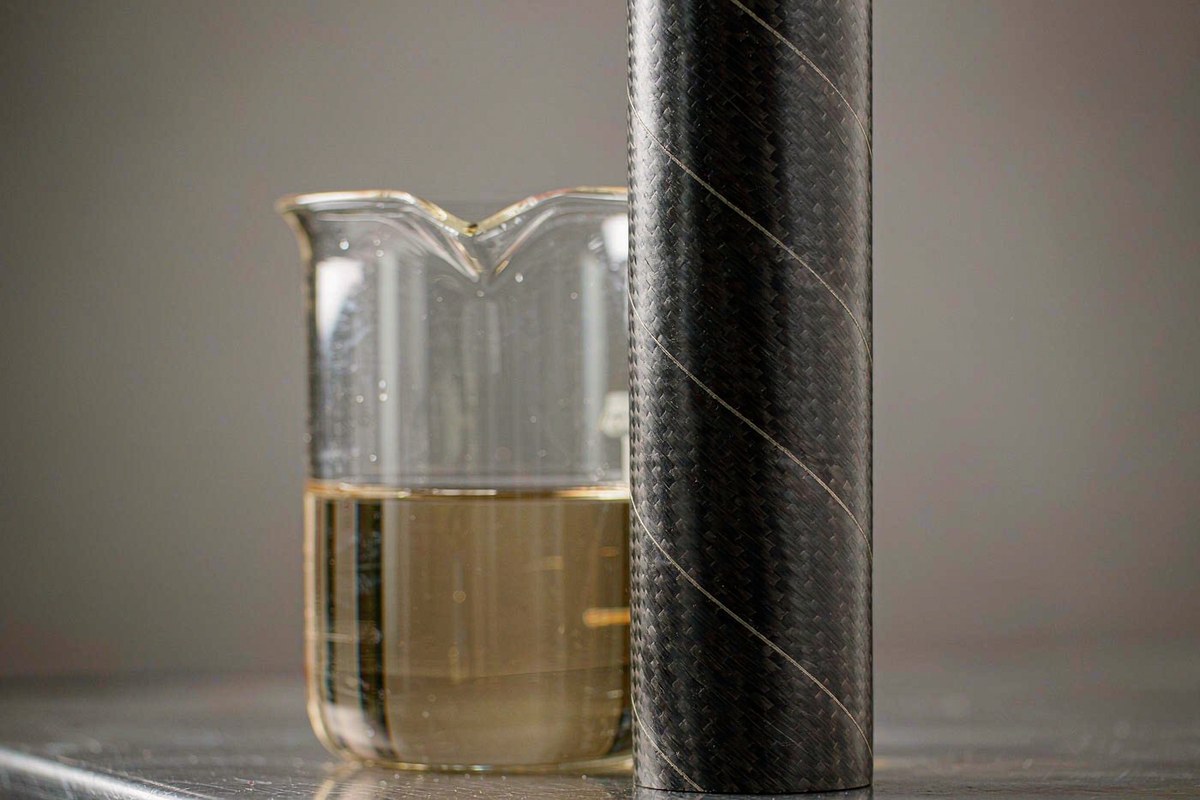
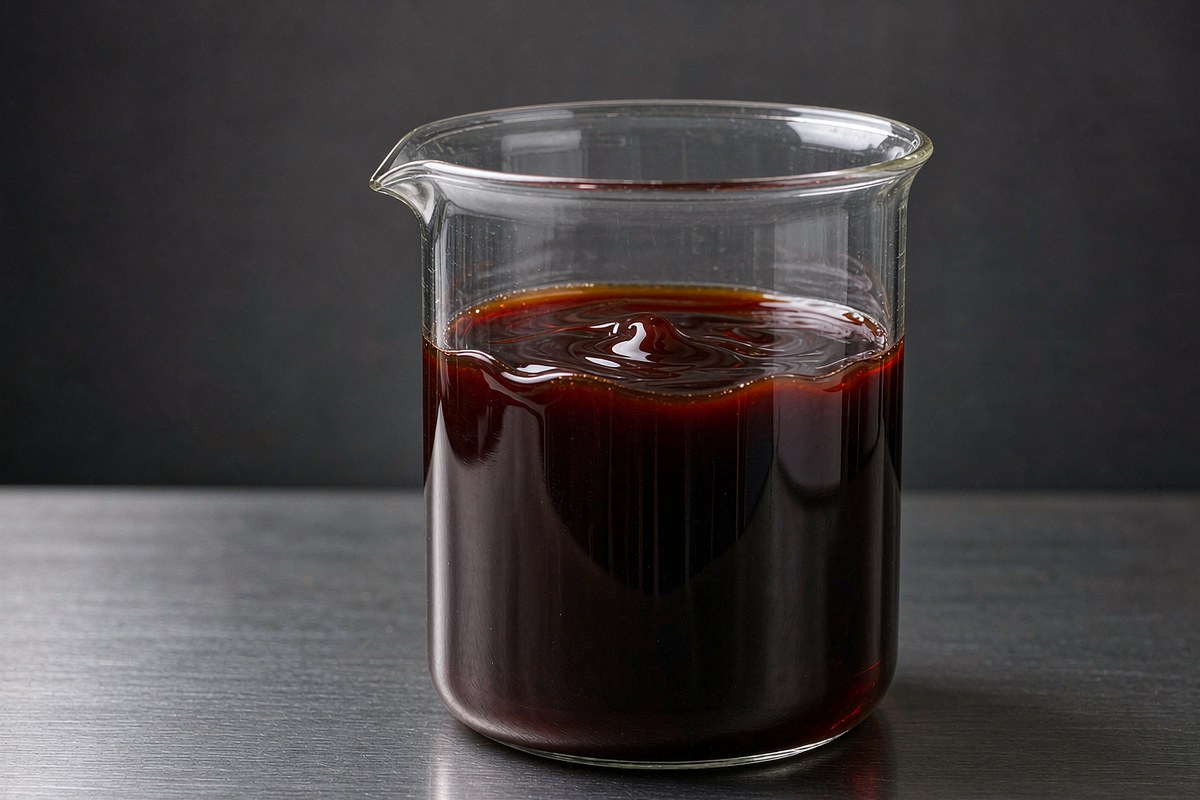
    YLSE-186 epoxy resin is a trifunctional alicyclic epoxy resin, CAS 25293-64-5, that carries one cycloaliphatic epoxide and two glycidyl ester groups on a ring. Its published EEW is 100-111 g/eq at 2000-4000 cps, close to a quarter of liquid bisphenol A viscosity, so it wets fibres without a diluent. Figure 1. YLSE-186 epoxy resin as supplied: a pale straw liquid. Product Code: YLSE-186 / YLSE-186C Chemical Name: 4,5-Epoxytetrahydrophthalic acid diglycidylester CAS No.: 25293-64-5 Product Category: Trifunctional alicyclic epoxy resin 1. Introduction Solvent-free composite work sets two demands against each other. A resin must wet a dry fibre tow easily, yet cure into a stiff matrix. YLSE-186 epoxy resin (CAS 25293-64-5) sits in that gap. All data below come from the public product page for 4,5-epoxytetrahydrophthalic acid diglycidylester. Where the page is silent, figures are marked literature or calculated, and every dosage number can be recomputed. 2. Materials and Methods YLSE-186 ships as a clear to pale yellow liquid in drums, in two commercial grades. Only six parameters are published, so the tables separate measured values from structural inference. 2.1 Product Identification and Specification Table 1 lists the identification data used in this paper, and Table 2 the published specification for both grades. Nothing outside those items is a quality claim. Table 1. Identification data of YLSE-186 epoxy resin (CAS 25293-64-5). Item Information Product Code YLSE-186 (high purity) and YLSE-186C (economy grade) Chemical Name 4,5-Epoxytetrahydrophthalic acid diglycidylester CAS No. 25293-64-5 Epoxy groups per molecule 3: one alicyclic epoxide plus two glycidyl ester groups Appearance Colorless to light yellow liquid, light yellow for YLSE-186C Table 2. Published specification of the two YLSE-186 grades. Item YLSE-186C YLSE-186 Appearance Light yellow liquid Colorless to light yellow liquid Color, Gardner Max. 2 Max. 2 Viscosity, cps at 25 °C 3000-6000 2000-4000 Epoxy equivalent weight, g/eq 100-125 100-111 Volatiles, % Max. 1 Max. 1 Positioning Lower price High purity 2.2 Test Methods and Data Sources Values marked published come from the YLSE-186 product page. Epoxy equivalent weight is determined by titration according to ASTM D1652 or ISO 3001, viscosity is measured at 25 °C, and color according to ASTM D1544. Molecular mass and theoretical EEW are calculated from the structure (Table 3). Table 3. Constants calculated from the YLSE-186 structure. Property Value Basis Molecular formula C14H18O7 Structure Molar mass About 298 g/mol From formula Theoretical EEW About 99 g/eq 298 ÷ 3 Epoxy equivalents per tonne About 10,100 eq At EEW 99 3. Results and Discussion: YLSE-186 Epoxy Resin Reactivity One alicyclic epoxide and two glycidyl ester groups sit on the same cyclohexane ring, and the three sites do not react at the same rate. 3.1 Structure and Reactivity The glycidyl ester groups open faster than the alicyclic ring, and the published description states that reactivity exceeds general alicyclic epoxy resin. Anhydride systems show the split first: ester groups react early, the ring follows at higher temperature. Three sites on one small molecule also give a denser network than a difunctional ester. The theoretical EEW of about 99 g/eq in Table 3 sits just below the published window of 100-111 g/eq, consistent with a small hydrolysis and volatile fraction. Capacity per tonne decides mix economics: at EEW 100 the resin carries about 10,000 equivalents against 5,300 for a bisphenol A resin at EEW 184-190. 3.2 Comparison with Alternative Systems Table 4 compares YLSE-186 epoxy resin with the grades most often quoted against it. Three families compete for this work: difunctional cycloaliphatic esters, trifunctional glycidylamines, and bisphenol A liquids. Table 4. YLSE-186 against alternative epoxy systems, at published values. Property YLSE-186, this grade Alternative grades, published data Epoxy groups per molecule 3: one alicyclic epoxide, two glycidyl ester groups YLCE-2021 cycloaliphatic epoxy resin: 2. YLSE-0600 trifunctional glycidylamine resin: 3. YLSE-721 tetrafunctional epoxy resin: 4 EEW, g/eq 100-111; 100-125 for YLSE-186C YLCE-2021: 126-132. YLSE-0600: 102-110. YLSE-721: 105-120. Liquid bisphenol A epoxy resin YLE-128: 184-190 Viscosity at 25 °C 2000-4000 cps; 3000-6000 cps for YLSE-186C YLCE-2021: 220-250 mPa·s. YLSE-0600: 7000-20000 cps. YLSE-721: 3000-7000 cps at 50 °C. YLE-128: 11000-15000 mPa·s Typical role Solvent-free composite matrix, adhesive base YLCE-2021: thin impregnation. YLSE-0600, YLSE-721: high-crosslink laminating. YLE-128: general purpose. YLEP-638 novolac epoxy resin: hot chemical resistance Read the viscosity column first. YLCE-2021 flows at 220-250 mPa·s, an order of magnitude thinner than YLSE-186, but with only two epoxy groups. Hardener cost is the trade-off buyers miss. Doubling the epoxy equivalents per tonne roughly doubles the amine bought, so a cheap high-functionality grade can lose on mix cost. Price the mix, not the drum. 4. Formulation and Dosage Calculation Amine-cured mixes follow phr = 100 × AHEW ÷ EEW. With YLSE-186 in the 100-111 g/eq window, a hardener of AHEW 96 g/eq is needed at roughly 90 phr, close to double the 50 phr the same hardener asks against a bisphenol A liquid. Table 5. Theoretical hardener demand for an amine of AHEW 96 g/eq. Resin grade, published EEW EEW, g/eq Theoretical hardener, phr YLSE-186 100-111 96.0-86.5 YLSE-186C 100-125 96.0-76.8 Liquid bisphenol A resin YLE-127 176-184 54.5-52.2 Liquid bisphenol A resin YLE-128 184-190 52.2-50.5 The formula is worth checking against published hardener data: YLH-6004 modified amine hardener lists AHEW 96 g/eq and an added weight of 50 phr against a resin of EEW 190, and 100 × 96 ÷ 190 = 50.5. The trap is that 50 phr line. At 50 phr against YLSE-186 you are near half the stoichiometric hardener, so the skin sets hard while the core stays soft. Recalculate from the batch EEW, then confirm with a gel-time check. Anhydride stoichiometry uses a different number: phr = 100 × anhydride equivalent weight ÷ EEW. For a mono-anhydride such as MHHPA anhydride hardener the equivalent weight is about 168 g/eq (calculated), so full stoichiometry at EEW 100 is 168 phr, and most shops run 85-90% of that near 143-151 phr. Viscosity gives one more lever. If 2000 cps is too thick for the mould, blend rather than heat: a glycidyl ester diluent such as YLD-9012 glycidyl ester diluent at 600-1200 mPa·s thins the mix and stays reactive. 5. Processing Notes and Operating Window Three epoxy groups per molecule release more heat per kilogram than a difunctional resin, and the low viscosity moves that heat faster. Exotherm is the first variable to control. • Keep trial mixes near 100 g in a wide container. The same mix in a full pail can gel in a fraction of the time. • Store sealed below 4 °C, and let a cold drum reach room temperature before opening. Condensation goes straight into the resin. • Work in dry air. Alicyclic epoxides hydrolyse slowly, and a humid shop shows up later as a drifting EEW rather than an obvious defect. • De-gas the mixed resin before cure. At 2000-4000 cps it still traps air, and voids in a wound part are expensive to fix. • Wear nitrile gloves, goggles and a coverall. Epoxy resins are skin sensitisers, and the MSDS carries the PPE list. Figure 2. Wet-out of carbon fibre tow in a YLSE-186 resin bath. 6. Applications The product page names two application directions: carbon fibre composites such as high-pressure gas bottles and motor rotors, and high-temperature adhesives. Table 6 sets out what each asks of the resin. Table 6. Application areas for YLSE-186 and the constraint in each. Application What YLSE-186 contributes Where the constraint sits Filament-wound pressure vessels Thin bath for fibre wet-out, more crosslink density per tonne Warm or oven cure; voids if the bath is not de-gassed Motor rotors and rotating parts Stiff matrix with strong fibre binding at a manageable mass Exotherm has to be controlled on thick sections High-temperature adhesives Three reactive sites and a low-viscosity base that accepts fillers Color is loose on YLSE-186C, so use the base grade for visible bond lines Two application lines on a product page are a starting point, not a scope limit. If the part runs through an anhydride bath and needs a stiff matrix, this grade fits; for a cheap filled casting it does not. Figure 3. Filament-wound pressure vessel wound with YLSE-186 epoxy resin. 7. Limitations and Material Verification Two areas limit how YLSE-186 epoxy resin can be specified: the published data set, and the storage behaviour of an alicyclic epoxide. 7.1 Known Limitations The specification covers appearance, color, viscosity, EEW, volatiles and positioning only. Density, flash point, chlorine content, gel time and a titration epoxy value are not on the page, so any dosage plan stays theoretical until a batch COA confirms it, and large neat castings sit outside the grade. 7.2 Incoming Material Verification, Packaging and Safety Drum-to-drum variation exists on any epoxy line, so incoming checks on viscosity, EEW and volatiles are recommended for every lot. Water content is determined by Karl Fischer titration where a lot is disputed, and color is measured according to ASTM D1544. Supply is by drum package, and the page carries two storage statements that do not agree: sealed storage below 4 °C with a shelf life of about six months, and 24 months in original packing. Two numbers that far apart usually describe different conditions, so take the shorter one. Alicyclic epoxides hydrolyse slowly in warm, damp storage: keep drums sealed, use opened drums first, and take hazard information from the Material Safety Data Sheet. 8. Frequently Asked Questions What is the published EEW of YLSE-186 epoxy resin? YLSE-186 is published at 100-111 g/eq and YLSE-186C at 100-125 g/eq. The structure gives a theoretical 99 g/eq, so the window fits a three-functional molecule. Verify the batch value by titration before fixing a ratio. How much hardener does YLSE-186 epoxy resin need per 100 parts of resin? For an amine hardener, phr = 100 × AHEW ÷ EEW. A hardener of AHEW 96 g/eq such as YLH-6004 needs 96.0 phr at EEW 100 and 86.5 phr at EEW 111. Filler load and temperature move the ratio. Can YLSE-186 epoxy resin be cured at room temperature? It can, but slowly. The published description allows amines as a cure route, and the two glycidyl ester groups are the reactive part. Cycloaliphatic epoxies cure slowly with amines in general, so a 15-20 °C workshop cure needs time or a warm post-cure. What is the difference between YLSE-186 and YLSE-186C? Both are the same molecule at the same color ceiling, and the page separates them on price and purity. YLSE-186C has a wider EEW window of 100-125 g/eq and a light yellow tone; YLSE-186 is the high-purity grade at 100-111 g/eq. Can YLSE-186 epoxy resin replace a standard cycloaliphatic epoxy resin? Not as a straight swap. YLCE-2021 carries two epoxy groups at EEW 126-132 g/eq and flows at 220-250 mPa·s, so a substitution changes the hardener ratio and the bath viscosity. YLSE-186 raises crosslink density and roughly doubles the amine charge. Why is YLSE-186 epoxy resin stored below 4 °C? The page instructs storage below 4 °C with a sealed shelf life of half a year, and also repeats the standard line of 24 months in original packing. Plan around the shorter figure: cold storage slows the hydrolysis and color drift of alicyclic epoxides. 9. Conclusions This trifunctional alicyclic epoxy (CAS 25293-64-5) pairs a published EEW of 100-111 g/eq with a viscosity of 2000-4000 cps, so it wets fibre without a diluent and still cures to a high crosslink density. Its practical roles are a solvent-free composite matrix and a base for high-temperature adhesives. Its limits are the thin published data set, a hardener demand near 90 phr with an amine, and a cold, sealed storage requirement. Numbers above are published values or figures marked calculated and literature, and the current TDS / MSDS / COA governs the specification. Grade availability for YLSE-186 epoxy resin is confirmed against a target EEW. 10. References • Yolatech product page, 4,5-Epoxytetrahydrophthalic acid diglycidylester YLSE-186: https://www.yolatech.com/45-epoxytetrahydrophthalic-acid-diglycidylester-ylse-186-cas-25293-64-5 (accessed 2026-10-09). • Yolatech Technical Data Sheet, Material Safety Data Sheet and Certificate of Analysis for YLSE-186, CAS 25293-64-5 (available on request). • ASTM D1652, epoxy content of epoxy resins (EEW). • ISO 3001, determination of epoxy equivalent. • ASTM D445, kinematic viscosity. • ASTM D1544, Gardner color of transparent liquids.
    Read More
  • Trifunctional Epoxy Resin YLSE-0600: Cure and Dosage Guide
    Trifunctional Epoxy Resin YLSE-0600: Cure and Dosage Guide
    Oct 08, 2026
    Trifunctional epoxy resin YLSE-0600 is a glycidylamine epoxy resin carrying three epoxy groups per molecule at EEW 102-110 g/eq. The resin is a reddish brown liquid of 7000-20000 mPa·s at 25 °C. CAS 71604-74-5. Formulators pick it for high-temperature composites, laminating and structural adhesives. Product Code: YLSE-0600 CAS No.: 71604-74-5 Product Category: Multifunctional epoxy resin, glycidylamine type 1. What YLSE-0600 Is: A Trifunctional Epoxy Resin YLSE-0600 is the Yolatech grade code for a trifunctional epoxy resin built on a 3-glycidyloxy-N,N-diglycidylaniline backbone. CAS 71604-74-5. Two of the three oxirane rings hang on the aromatic nitrogen and the third sits on the phenoxy oxygen, so one molecule offers three amine-reactive sites. Molecular weight works out to 277.3 g/mol from C15H19NO4, which puts the theoretical epoxy equivalent weight at 92.4 g/eq. The product page lists a measured range of 102-110 g/eq. The gap is normal for a glycidylamine made via epichlorohydrin: residual oligomer and hydrolyzable chloride push EEW above theory. If a quote shows EEW below 100 for this CAS number, ask for the lot data behind it. Table 1 gathers the identity data in one place. Item Information Product code YLSE-0600 Chemical name 3-Glycidyloxy-N,N-diglycidylaniline CAS No. 71604-74-5 Epoxy functionality 3 groups per molecule Molecular weight 277.3 g/mol (calculated, C15H19NO4) Theoretical EEW 92.4 g/eq (277.3 / 3) Measured EEW 102-110 g/eq Appearance Reddish brown viscous liquid 2. Published Specifications of YLSE-0600 Five parameters are published for YLSE-0600. Together they define the handling envelope. Item Specification Appearance Reddish brown viscous liquid Color, Gardner Max. 11 Epoxy equivalent weight 102-110 g/eq Viscosity, 25 °C 7000-20000 mPa·s Volatiles Max. 1.0% Two of the five deserve comment. A Gardner color of max. 11 means cured parts will not be water-clear; expect reddish brown castings and films. The viscosity band is also wide, so batch-to-batch flow can drift if your process is tuned tightly. Confirm each lot against the TDS or COA before locking a pump setting or a preheat temperature. 3. Why Three Epoxy Groups Change the Cure Behavior Functionality is the whole story of this resin. DGEBA carries two oxirane rings per molecule; YLSE-0600 carries three, and the tertiary anilinic nitrogen left after glycidylation accelerates the neighboring epoxy-amine reactions. The practical result is a resin that gels faster and builds crosslink density sooner than a bisphenol A grade of comparable viscosity. The product page states the failure mode plainly: even moderate amounts, when cured with aliphatic amines, can develop enough exotherm to char the mass and evolve smoke. That is not boilerplate. A 500 g trial batch of a fast trifunctional epoxy can run away where a 2 kg batch of DGEBA would barely warm. Higher crosslink density usually buys higher glass transition temperature and better hot strength. Yolatech does not publish a Tg figure for YLSE-0600, so treat Tg as formulation-specific: it depends on the hardener, the cure schedule and the post-cure. Verify it on your own laminate before writing a datasheet claim. 4. YLSE-0600 Against Difunctional and Tetrafunctional Alternatives The comparison below uses only parameters published on the Yolatech product pages. Property YLSE-0600 (this resin) YLE-128 (bisphenol A) YLSE-721 (tetrafunctional) Epoxy groups per molecule 3 2 4 EEW, g/eq 102-110 184-190 105-120 Viscosity, mPa·s 7000-20000 at 25 °C 11000-15000 at 25 °C 3000-7000 at 50 °C Color Gardner max. 11, reddish brown not published Gardner max. 10, light yellow Volatiles / water max. 1.0% not published max. 0.6% Backbone aromatic glycidylamine bisphenol A ether aromatic glycidylamine Where does that leave a buyer? If you can heat the resin bath to 50 °C and want maximum crosslink density, YLSE-721 tetrafunctional epoxy resin is the stronger molecule. If you want the lowest hardener demand and the widest supply base, a standard liquid DGEBA is the cheaper answer. YLSE-0600 sits between the two: three epoxy groups per molecule, no heating demanded by the datasheet, and a color that rules out clear finishes. Against a standard liquid DGEBA such as liquid bisphenol A epoxy resin YLE-128, the trade is clearer still: YLSE-0600 asks for far more amine hardener by weight but returns a tighter network. For a phenolic backbone, PNE type phenolic epoxy resin YLEP-631 averages 2.7 epoxy groups per molecule; YLEP-638 semi-solid novolac epoxy resin is its higher-viscosity sibling, usually used in solution. 5. Hardener Dosage: Worked Examples The stoichiometry rule is short: phr = 100 × AHEW / EEW. AHEW values below come from the hardener product pages where published; where a page lists none, the value is theoretical or derived from the amine value. Table 4 covers six hardener families with the dose recalculated at both ends of the resin EEW band. Hardener AHEW, g/eq phr at EEW 102 phr at EEW 110 Source of AHEW Diethylenetriamine DETA 20.6 20.2 18.7 theoretical, 5 active H PACM diamine 52.5 51.5 47.7 theoretical, MW 210.4 / 4 MACM amine hardener 60 58.8 54.5 product page DETDA aromatic diamine approx. 44.6 43.7 40.5 derived from amine value 625-640 mg KOH/g Polyetheramine D-230 approx. 66.7 65.4 60.6 derived from amine value min. 7.5 mmol/g Polyamide hardener YLH-5101 160-200 157-196 145-182 product page For the same DETA on YLE-128 at EEW 184-190 g/eq, the dose drops to about 10.8-11.2 phr. YLSE-0600 therefore consumes roughly 75% more amine by weight per 100 parts resin. That is a real cost line, not a rounding error, and it belongs in your formulation economics next to the gain in crosslink density. Two cautions. These are stoichiometric starting points; in practice many aliphatic-amine systems run at 0.85-0.95 of the theoretical dose to control blush and exotherm. And check the arithmetic against your own certificate of analysis — if the COA says 107 g/eq, use 107, not the midpoint. 6. Cutting Viscosity Without Losing Functionality At 7000-20000 mPa·s, YLSE-0600 wets fiber well but will not self-level at room temperature. Reactive dilution is the standard fix, and the log rule gives a serviceable first estimate: blend viscosity falls roughly geometrically with diluent share. The diluent candidates below are published on the Yolatech site with their own viscosity and EEW. Diluent EEW, g/eq Viscosity, mPa·s Note for use with YLSE-0600 Butyl glycidyl ether YLD-9004A 147-157 max. 2 at 25 °C strongest thinning per part; monofunctional C8-10 alkyl glycidyl ether YLD-7004 220-250 3-10 at 25 °C gentler, needs more parts for the same drop Resorcinol diglycidyl ether YLD-6010 117-129 40-100 at 40 °C aromatic, keeps heat resistance Trimethylolpropane triglycidyl ether YLD-6012 135-145 100-200 at 25 °C trifunctional, preserves network density Pentaerythritol glycidyl ether YLD-6013 125-173 100-800 at 25 °C tetrafunctional character, wider EEW band Take 70 parts of YLSE-0600 at 15000 mPa·s with 30 parts of YLD-6012. The log blend lands near 3300-4100 mPa·s, workable for most impregnation equipment. Blend EEW rises to about 114 g/eq, so the DETA dose falls from 19.4 to 18.0 phr. Both numbers move; recompute both. Dilution is not free. Every part of monofunctional diluent removes reactive sites from the network, and hydrolyzable chloride from the diluent transfers into your system. For electronic work, check the diluent TDS for the chloride line first. 7. Processing Notes and Exotherm Control Batch size is your main exotherm control. • Pre-warm the resin to 40-50 °C before metering if your equipment allows it; as a rule of thumb, epoxy viscosity drops roughly by half for every 10-15 °C of heating. • Keep trial batches under 200 g until the gel behavior of your chosen hardener is known. • Aliphatic amines are the fast path and the fast failure; aromatic amines, MHHPA methyl hexahydrophthalic anhydride with an accelerator, or dicyandiamide systems trade speed for thermal margin. • Mix ratio errors show up as undercure in the core of a casting, not at the surface, so log actual weighed amounts rather than trusting pump settings. • Close the container tightly after drawing; the storage instruction matters more in a humid coastal workshop. When a casting chars or smokes, check batch size first, then hardener choice, then resin quality. In that order. 8. Applications of This Trifunctional Epoxy Resin The product page names six application fields for YLSE-0600: high temperature resistant composites, laminating, resin modification, adhesives, coatings and electronics. Each field below maps to the published data. Application Why this resin fits Numbers behind the judgment High-temperature composites three epoxy groups per molecule build a dense network EEW 102-110 g/eq; viscosity 7000-20000 mPa·s suits preheated impregnation Filament winding and laminating wets fiber after preheat Gardner max. 11 is acceptable on black carbon fiber parts Structural adhesives fast strength build-up with amine hardeners DETA dose approx. 19-20 phr at EEW 106 g/eq Resin modifier small additions raise crosslink density of DGEBA systems 10-30 phr as a modifier is the usual working band Coatings chemical resistance from the aromatic amine backbone plan on pigmentation; the resin itself is reddish brown Electronics used where heat resistance matters more than clarity volatiles max. 1.0% For clear or light-colored work, the honest answer is that Gardner max. 11 is a limitation. YLSE-186 alicyclic glycidyl ester epoxy stays at Gardner max. 2 with EEW 100-111 g/eq, at the price of a different cure profile. For a bisphenol F backbone with lower viscosity, bisphenol F epoxy resin YLE-170 runs 3500-4500 mPa·s but carries only two epoxy groups per molecule. 9. Frequently Asked Questions Can YLSE-0600 replace a bisphenol A resin one for one? No. Swapping YLE-128 for YLSE-0600 roughly doubles the amine dose, from about 11 phr to 19-20 phr of DETA, and gel time shortens. Pot life, exotherm and mix viscosity all move with it. If a plant meters both grades on the same pump, recalibrate the ratio before the first shot. How much amine hardener does YLSE-0600 need? phr = 100 × AHEW / EEW. At the EEW midpoint of 106 g/eq, that gives 19.4 phr for DETA (AHEW 20.6), 49.5 phr for PACM (AHEW 52.5) and 56.6 phr for MACM (AHEW 60). Use the EEW printed on your own COA, not the midpoint; the published band spans 102-110 g/eq. Why does YLSE-0600 cure faster than a bisphenol A epoxy? Three reasons stack up: a third epoxy group per molecule, a tertiary anilinic nitrogen that accelerates the adjacent epoxy-amine reaction, and a low EEW that packs more reactive sites into every 100 g. The downside is heat. Cured with aliphatic amines, even moderate batches can exotherm hard enough to char and smoke, so scale up slowly. Can I thin YLSE-0600 with a reactive diluent? Yes, and the log rule estimates the blend viscosity well enough for pump selection. Roughly 30 parts of YLD-6012 per 70 parts of YLSE-0600 brings 15000 mPa·s down to the 3300-4100 mPa·s range. Butyl glycidyl ether thins harder per part; C8-10 alkyl glycidyl ether needs more. Whatever you pick, recompute the hardener dose from the blend EEW. What is the shelf life and storage condition for YLSE-0600? Shelf life is normally 6 months from the date of manufacture in the original packing at suitable temperatures. Store in a well-ventilated area, keep the drum away from flames and direct sunlight, and close the cap tightly immediately after use. If a drum has sat through a hot summer, check viscosity against the COA before charging the tank. Is YLSE-0600 suitable for clear coatings? It is not. A Gardner color of up to 11 in a reddish brown liquid will read through any clear film. Use it where the part is pigmented, black or hidden inside a laminate. If clarity matters, YLSE-186 with its Gardner limit of 2 is the closer match. 10. Packaging, Storage and Safety YLSE-0600 ships in drum packages. Shelf life is normally 6 months from the date of manufacture in the original packing at suitable temperatures. Store in a well-ventilated area, away from flames and direct sunlight, and close the cap tightly immediately after use. Full safety and handling information is provided in the Material Safety Data Sheet. All parameters quoted here come from the YLSE-0600 product page and should be reconfirmed against the TDS, MSDS or COA of the lot you actually receive. Nothing in this article overrides those documents.
    Read More

leave a message

leave a message
If you are interested in our products and want to know more details,please leave a message here,we will reply you as soon as we can.
submit

home

products

WhatsApp

Contact Us