Home

Blog

  • YOLATECH DMP-30
    YOLATECH DMP-30
    May 14, 2026
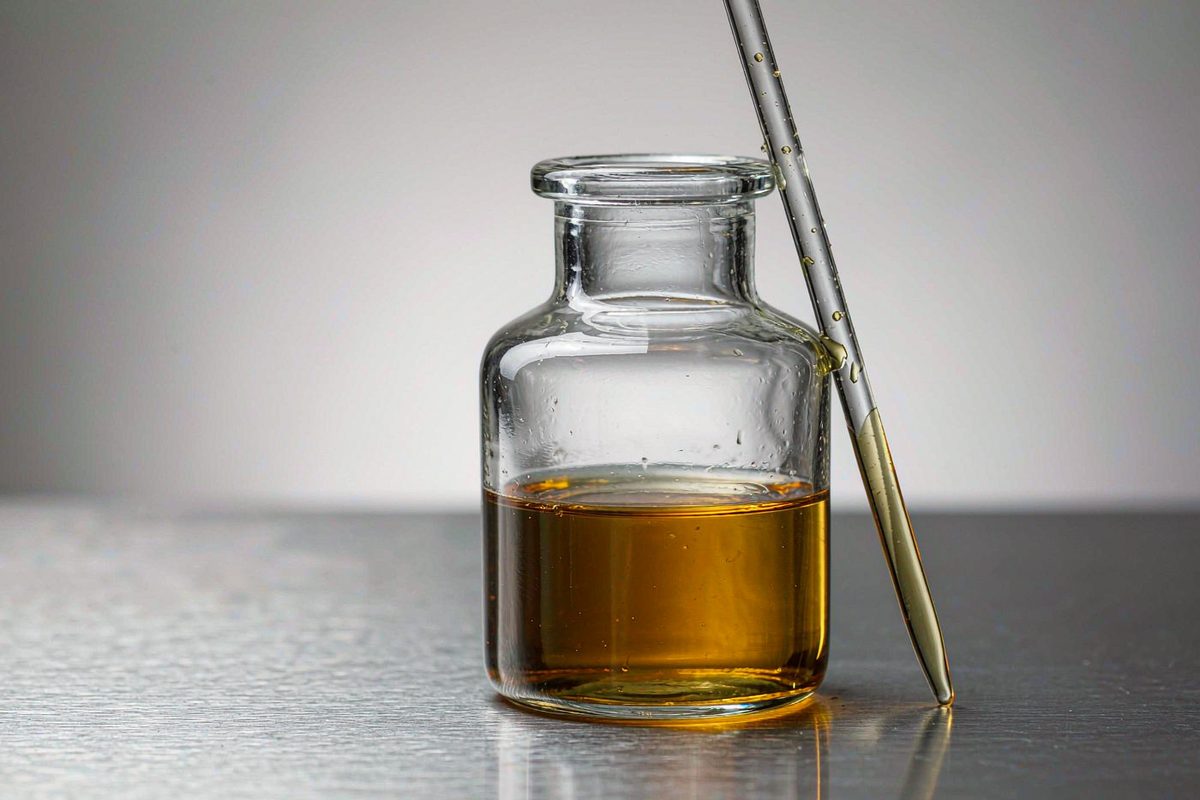
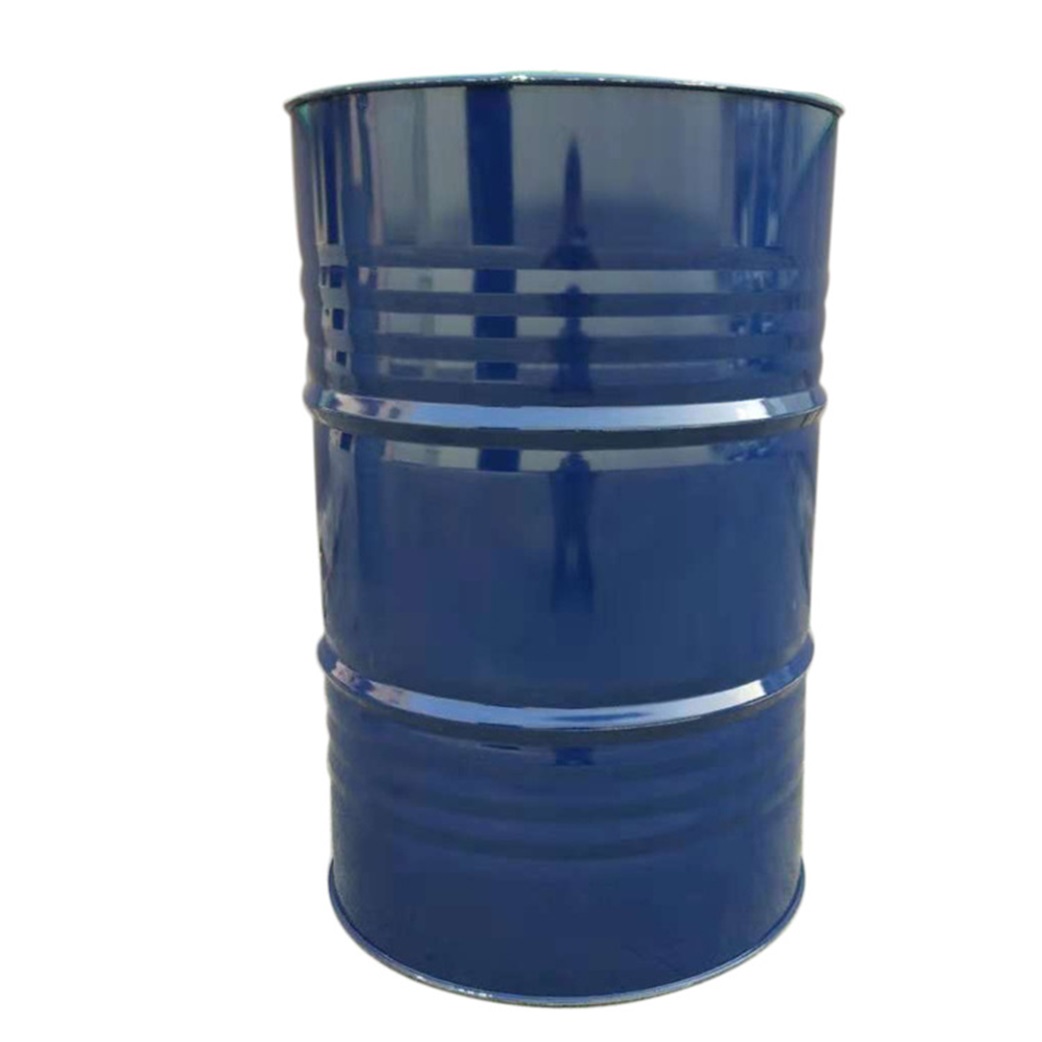
    Yolatech Company DMP-30 Equivalent Grades: K54, KH-30, HI-54K, HY960.   Yolatech DMP-30 consists of 2,4,6-Tris(dimethylaminomethyl)phenol. It is a versatile curing accelerator designed to shorten the curing time of epoxy resin systems. It exhibits excellent compatibility with Polyamine and Polyamide series epoxy curing agents. It is soluble in alcohol, benzene, acetone, and cold water, and slightly soluble in hot water.   Physical Properties Chemical Name: 2,4,6-Tris(dimethylaminomethyl)phenol Synonyms: DMP-30 / K-54 / Accelerator Catalyst HI-54K Molecular Formula: C₁₅H₂₇N₃O Molecular Weight: 265.4 CAS Number: 90-72-2 EINECS Number: 202-013-9 Appearance: Transparent light yellow liquid Color: Max 6 (Gardner) Amine Value: 580-630 mgKOH/g Viscosity (25°C): 100-300 cps (Brookfield) Moisture Content: Max 0.5% Refractive Index (20°C): 1.5150-1.5200 Specific Gravity (25°C): 0.97-0.99 Flash Point: 150°C     Applications DMP-30 serves as a curing accelerator in solvent-based or solvent-free epoxy systems, including: Polyamine series curing systems. Polyamide and Amidoamine series epoxy curing systems. Mercaptan (Thiol) series epoxy curing systems. Carboxylic Acid Anhydride or Polysulfide series epoxy curing systems. It is widely used in coatings, adhesives, and flooring industries. It acts as a catalyst for epoxy automotive body adhesives, epoxy-anhydride systems, and as a solid catalyst for isocyanates and polyols.     Mechanism of Action The reaction between epoxy resin (containing epoxy groups) and amine curing agents (such as aliphatic amines and polyamides) is a nucleophilic ring-opening reaction: the amine group (-NH₂) attacks the ring of the epoxy group, opening the ring to form hydroxyl groups (-OH), which then undergo further crosslinking.However, this reaction is slow at room temperature (especially in low-temperature environments). DMP-30's phenolic hydroxyl group activates the epoxy group via hydrogen bonding, while the dimethylamino group (-N(CH₃)₂) acts as a nucleophile to promote the combination of the amine and epoxy groups. This significantly lowers the activation energy, shortening the curing time by 30%-50% (e.g., at 25°C, curing takes 24 hours without accelerator, but only 8-12 hours with DMP-30).   Recommended Dosage 1. As Epoxy Curing Agent: When used alone, the dosage for YLE-128 epoxy resin (Epoxy Equivalent Weight 185-195) is approximately 10%. It enables rapid curing at room temperature or low temperatures for coatings, castings, and sealants. For YLE-220 epoxy resin, the dosage is approximately 12.5%. For Epoxy-Liquid Polysulfide systems, the dosage is 10-15% for room temperature curing and 6% for heat curing. It imparts unique bonding, casting, and sealing properties. Typical range: 5-15 PHR. 2. As Epoxy Accelerator: When mixed with other epoxy curing agents, it acts as an accelerator to increase curing rates. Dosage is 0.1%-3% PHR of the main curing agent. Widely used in anti-corrosion coatings, cast floor concrete protection, and adhesives. 3. As Polyurethane Catalyst: It is a catalyst for isocyanate trimerization. It has higher catalytic selectivity for Polyisocyanurate (PIR) reactions compared to PUR, making it suitable for PIR formulations. DMP-30 is a milder activity catalyst; it requires a larger dosage in formulations, resulting in a gentle reaction, stable rise, good flowability, and end products with PIR high-temperature and flame-retardant effects.     Advantages Highly efficient acceleration (strong low-temperature applicability). Improves coating film hardness and chemical resistance. Good compatibility with most epoxy resins and curing agents (no phase separation).     Limitations May experience slight yellowing upon long-term UV exposure (due to phenolic hydroxyl oxidation), making it unsuitable for outdoor high-gloss flooring. Irritating to skin; potential for trace formaldehyde release. Protective equipment must be worn during application.     Storage & Handling Avoid excessive heat and humidity. Store in unopened original containers at room temperature, away from fire sources, strong acids, strong bases, and strong oxidizing agents. Shelf life is 12 months from the date of production. Precautions: Please refer to the Yolatech Product DMP-30 Material Safety Data Sheet (MSDS). Packaging: 200Kg drum, 1000 IBC.  
    Read More
  • Epoxy Resin Modifier: Styrenated Phenol MSP-250
    Epoxy Resin Modifier: Styrenated Phenol MSP-250
    May 09, 2026
    Nonylphenol has long been used in epoxy resin systems as a functional aid to promote dilution. However, in recent years, with increasing health awareness and stricter environmental regulations, the use of nonylphenol has become increasingly restricted. Nanjing Youlai's Styrenated Phenol MSP-250 serves as an epoxy resin modifier. In addition to its ideal chemical properties, it meets the demands of environmental regulations.   Typical Data Product Name: Styrenated Phenol Grade: MSP-250 Appearance: Liquid Color (APHA): <200 Viscosity (cps/25°C): 300~800 Hydroxyl Value (mg KOH/g): 230~260   Performance Features As an epoxy resin modifier, MSP-250 is a clear, low-viscosity liquid. When added to the curing agent component, it accelerates the curing speed and improves the water resistance, anti-whitening properties, scratch resistance, abrasion resistance, hardness, and leveling performance of the cured product. MSP-250 exhibits color stability under both long-term and high-temperature conditions. Comparison of color performance between MSP-250 and Nonylphenol when mixed with curing agents:   Within 1 week at room temperature: No significant difference observed. Within 3 days at 60°C: MSP-250 demonstrates superior color stability compared to Nonylphenol. Within 1 week at 60°C: MSP-250 demonstrates superior color stability compared to Nonylphenol.   Application Area Epoxy Coatings & Heavy-duty Anti-corrosion Coatings: Acts as a plasticizer, diluent, and accelerator. Craft & Jewelry Adhesives: Offers excellent transparency, abrasion resistance, and adhesion. Electronics & Electrical: Suitable for potting, varnishes, industrial adhesives, and LED encapsulation. Automotive Sealants: Improves bonding for doors and headliners, providing waterproofing and rust prevention for internal and external panels. Civil Engineering & Construction: Applicable for crack sealing, crack injection, carbon fiber reinforcement, and steel reinforcement.
    Read More
  • High-Temperature-Resistant Trifunctional Liquid Epoxy Resin YLSE-0500 / YLSE-0510
    High-Temperature-Resistant Trifunctional Liquid Epoxy Resin YLSE-0500 / YLSE-0510
    Nov 21, 2025
    Product Description YLSE-0500 / YLSE-0510 is a high-temperature-resistant trifunctional epoxy resin based on p-aminophenol. The molecular structure contains multiple epoxy groups and aromatic rings, enabling the cured system to form a high crosslink density and aromatic density during curing. As a result, the cured material exhibits excellent heat resistance, high mechanical strength, low curing shrinkage, and good resistance to radiation, water, and chemicals. In addition, its low viscosity makes it easy to process and suitable for solvent-free operations. It is used in electrical insulation castings requiring high thermal resistance, as well as composite manufacturing processes such as carbon fiber and glass fiber filament winding, pultrusion, lamination, and prepreg production. The glass transition temperature (Tg) can exceed 200 °C.   Product Name 4-(2,3-Epoxypropoxy)-N,N-di(2,3-epoxypropyl)aniline CAS No.: 5026-74-4   Structural Formula   Technical Specifications   YLSE-0500 YLSE-0510 Appearance Brown liquid Yellow liquid EEW, g/eq 100-115 93-106 Viscosity, cps@25°C 1500-6000 500-1000 Volatiles, % Max. 1.5 Max.1.0   Main Applications High-temperature structural adhesives Carbon fiber and glass fiber composites for pultrusion and filament winding Electrical insulation materials High-temperature epoxy casting systems used in vacuum casting (RTM, VARTM) and Automatic Pressure Gelation (APG) Potting and sealing of miniature motor components High-temperature epoxy diluent   Properties of Neat Resin Castings Comparison of Casting Performance between YLSE-0500 and YLSE-0510 Using DDS (4,4'-diaminodiphenyl sulfone) as the curing agent, selected performance properties of castings made from YLSE-0500 and YLSE-0510 epoxy resins were tested. Casting preparation procedure: • Heat DDS to 200 °C (melting point 176 °C) until melted. • Preheat the epoxy resin to 100 °C. • Slowly add DDS into the epoxy resin while stirring until uniform. • Defoam under vacuum for 15 minutes. • Pour into molds and heat-cure.   The performance indicators of the resulting castings are shown in the table below: Brand type YLSE-0500 YLSE-0510 Curing agent name DDS Curing agent addition amount phr 49 Curing condition 0.5h/80°C+1h/100°C+1.5h/120°C+2h/180°C Tg(DMA method) °C 245-250 260-270 Bending performance at 25°C Strength Mpa 132 136 Modulus  Gpa 3.5 3.4 Tensile properties at 25°C Strength Mpa 64 70 Modulus  Gpa 3.8 3.6 Elongation at break  % 2.3 2.8   Casting Properties of YLSE-0500 with Methyl Tetrahydrophthalic Anhydride (MTHPA) YLSE-0500 epoxy resin is commonly used together with aromatic amine curing agents (such as diaminodiphenyl sulfone and diaminodiphenylmethane) and anhydride curing agents (such as methyl nadic anhydride, methyl tetrahydrophthalic anhydride, and methyl hexahydrophthalic anhydride).   The casting properties of YLSE-0500 cured with methyl tetrahydrophthalic anhydride (MTHPA) at 25 °C are shown in the table below: Tensile strength Mpa Bending strength Mpa Impact strength Kj/m2 Elongation at break  % Tg(DSC)  %  20-30 90-100 8-10 1.5-2.5 190-200 Mixing ratio(Phr): YLSE-0500/MTHPA=100/150 Curing conditions: 80℃/2h+100℃/2h+130℃/2h+180℃/3h   Precautions Due to its high functionality and high epoxy value, the curing process generates a large amount of heat, so attention must be paid to preventing runaway polymerization. If the viscosity becomes too high and causes difficulty in use, the resin may be heated to 100–120 °C for 1 hour to reduce the viscosity. During heating, please open the container lid to prevent any risk of runaway polymerization.   Equivalent Grades Similar domestic and international product grades include MY-0500, MY-0510, AFG-90, AFG-90H, etc.
    Read More
  • High-Temperature Resistant Tetrafunctional Liquid Epoxy Resin YLSE-721
    High-Temperature Resistant Tetrafunctional Liquid Epoxy Resin YLSE-721
    Nov 13, 2025
    Why is YLSE-721 our star product? What makes it so “hardcore”?   YLSE-721 is a high-performance, amino-based tetrafunctional liquid epoxy resin — an “industrial-grade bonding master” designed specifically for high-strength and high heat-resistant applications. Its name reveals the secret: “tetrafunctional” means each molecule contains four reactive sites, like a “multi-armed warrior” that can form a denser and stronger cross-linked network with curing agents. This is the key reason why its strength far exceeds that of ordinary difunctional epoxy resins. Meanwhile, its liquid form provides excellent flowability, making it ideal for potting, coating, or filling complex structures, ensuring easy and efficient application. What truly impresses users are its “three highs”: high temperature resistance, fast curing, and superior mechanical strength. Heat resistance: Continuous service temperature up to 150°C, and short-term endurance above 180°C, far outperforming standard epoxies (typically ≤120°C). Perfect for engine surroundings, motor coils, and PCB protection under high-temperature conditions. 🔧 Curing speed: Fully cures within 30–60 minutes at 60–80°C, which is 2–3 times faster than conventional epoxy systems — a real time-saver for urgent projects. Mechanical properties: Tensile strength exceeds 50 MPa, flexural strength surpasses 80 MPa, with excellent impact resistance and dimensional stability. It resists cracking even under severe vibration or thermal cycling. In addition, YLSE-721 offers outstanding electrical insulation, oil resistance, water resistance, and chemical durability — truly earning its reputation as the “Iron Man of the industrial world.”   Product Information Chemical Name: N,N,N',N'-Tetraglycidyl-4,4'-diaminodiphenylmethane CAS No.: 28768-32-3 Structural Formula     Main Applications High-temperature resistant composites such as carbon fiber and glass fiber; Potting of electronic components (e.g. power modules, LED drivers); Impregnation and insulation protection for motors and transformer coils; Precision mold manufacturing, including bonding of metals, ceramics, and composites; Bonding and sealing of aerospace structural components; Wear-resistant repair and anti-corrosion coatings for heavy-duty mechanical parts.   Usage Instructions YLSE-721 can be formulated with amine-type, anhydride-type, or imidazole-type curing agents and coupling agents to prepare adhesives, casting compounds, or composite systems for applications requiring excellent heat resistance. Common curing agents include 4,4'-diaminodiphenyl sulfone (4,4'-DDS), 4,4'-diaminodiphenylmethane (DDM), methyl tetrahydrophthalic anhydride (METHPA), methyl nadic anhydride (MNA), and 2-ethyl-4-methylimidazole (2,4EMI). If the resin appears too viscous during use, it can be heated to an appropriate temperature to reduce viscosity before mixing. To improve toughness, additives such as liquid polysulfide rubber or liquid nitrile rubber can be incorporated.   Typical Cured Properties DDS DDM METHPA MNA Test Method Glass Transition Temperature (°C) 250-260 220-230 200-210 235-240 Tensile Strength (MPa) 75 50 50 45 Tensile Modulus (GPa) 3.5 3.3 3.2 3.6 Flexural Strength (MPa) 130 120 100 97 Flexural Modulus (GPa) 3.3 3.4 4.0 3.8 Elongation at Break (%) 2.8 1.6 1.9 1.1 Impact Strength (kJ/m²) 15 10 9 8 Resin-to-Hardener Ratio (by weight) 100:52 100:42 100:42 100:150 Curing Schedule 100℃*2h+130℃*2h+160℃*2h+180℃*2h+200℃*2h   Common Mistakes to Avoid ❌ Incorrect curing agent combination: YLSE-721 must be used with specific anhydride or aromatic amine curing agents. Using general-purpose epoxy hardeners may result in incomplete curing, soft texture, or drastically reduced heat resistance ⚠️. ❌ Neglecting surface preparation: The substrate must be thoroughly cleaned, dried, and sanded; otherwise, adhesion failure or “false bonding” may occur. ❌ Overheating during curing: Although the resin has high thermal resistance, curing should be kept within the recommended temperature range (usually 60–120°C). Excessive temperature may cause bubbling or discoloration.   Precautions Due to its high functionality and epoxy value, YLSE-721 releases a large amount of heat during curing, so precautions should be taken to prevent runaway polymerization. If the viscosity is too high for convenient use, preheat the resin to 100–120°C for about one hour to lower viscosity. ⚠️ When heating, keep the container lid open to prevent polymerization explosion. This epoxy resin is alkali-resistant but not resistant to strong acids.
    Read More
  • YLEP-638 High-Performance Phenolic Epoxy Resin: Structure, Properties, and Applications
    YLEP-638 High-Performance Phenolic Epoxy Resin: Structure, Properties, and Applications
    Nov 06, 2025
    YLEP-638 Structural Characteristics The molecular backbone of YLEP-638 is a phenolic novolac structure formed by the condensation of phenol and formaldehyde, providing a rigid aromatic framework. This backbone itself has very high thermal stability and rigidity. On this phenolic framework, the hydroxyl groups react with epichlorohydrin to introduce multiple epoxy groups, making it a typical multifunctional epoxy resin. Unlike standard bisphenol-A type epoxy resins (such as E-51, functionality ≈ 2), YLEP-638 usually has an average epoxy functionality of 3.5 to 4.0 or even higher. Performance Features of YLEP-638 Outstanding Heat Resistance Origin: High crosslink density (resulting from high functionality) and rigid aromatic backbone. Performance: The cured product exhibits extremely high glass transition temperature (Tg) and heat distortion temperature (HDT), typically above 200°C and even up to 250°C. It maintains mechanical strength and dimensional stability under high temperatures with excellent creep resistance. Exceptional Mechanical Strength and Modulus Origin: Dense three-dimensional crosslinked network and rigid molecular chains. Performance: The cured product shows very high hardness, compressive strength, tensile strength, and modulus, giving it strong load-bearing capacity. Excellent Chemical Resistance Origin: The high crosslink density creates a compact and chemically inert network structure, making it difficult for solvents or chemical agents to penetrate or swell the material. Performance: It offers outstanding resistance to a wide range of organic solvents, acids, and alkalis. Its chemical resistance, particularly at high temperatures, is far superior to that of conventional epoxy resins. Superior Electrical Insulation Properties Origin: Stable chemical structure and high crosslink density. Performance: Maintains excellent dielectric strength and volume resistivity even under high temperature and humidity conditions. Processing Challenges High Viscosity: Due to its high functionality and rigid structure, YLEP-638 has very high viscosity at room temperature and must be heated (e.g., to 60–80°C) for casting, impregnation, or prepreg preparation. High Brittleness: The high crosslink density and rigid structure also result in low toughness, poor impact resistance, and low elongation at break, so it often requires the addition of toughening agents. Main Applications of YLEP-638 YLEP-638 + DOPO Used to produce halogen-free phosphorus-containing epoxy systems, successfully incorporating efficient phosphorus-based flame-retardant units into a high crosslink density epoxy network. The resulting materials combine excellent mechanical properties, heat resistance, and flame retardancy, making them ideal for green electronic encapsulation, halogen-free PCBs, high-performance flame-retardant insulating materials, and aerospace composites. Also used in carbon fiber prepregs, tennis rackets, and golf clubs.   YLEP-638 + Methacrylic Acid / Styrene Used to produce high-temperature- and corrosion-resistant phenolic epoxy vinyl ester resins, widely applied in flue gas desulfurization (FGD), power plant desulfurization tower linings, chemical storage tanks, and scrubbers for harsh environments.   YLE-128 + YLEP-638 + YLE-601 or YLE-604 Used for solder mask inks in copper-clad laminates and for anti-corrosion, high-temperature coatings (such as 900–1200°C heat-resistant and anti-oxidation coatings).   YLEP-638 + Curing Agent DDS Used to produce epoxy insulating varnishes for VPI (Vacuum Pressure Impregnation) processes, forming a strong, integrated “armor” layer on electrical coils. This layer resists high-voltage breakdown and withstands the intense heat and mechanical stress generated during motor operation. It is an essential insulation material for modern high-end electrical equipment, used in high-voltage motors, wind power generators, and traction motor stator coils, providing both insulation and flame-retardant protection. Also used in the manufacture of insulating tubes, rods, and plates.
    Read More
  • Packaging and Logistics Tips for Large-Scale Epoxy Resin Shipments
    Packaging and Logistics Tips for Large-Scale Epoxy Resin Shipments
    Jun 13, 2025
    When it comes to large-scale exports of epoxy resins—whether in liquid, solid, or semi-solid form—ensuring safe transport, regulatory compliance, and on-time delivery is essential. At Yolatech, we’ve compiled the following practical tips to help professionals in trade, manufacturing, and logistics plan more efficiently and execute with confidence.   1. Choose the Right Packaging Format Proper packaging is the first line of defense against leakage, contamination, and damage during transport. Liquid resins: We recommend 200L/240KG steel drums, 1000L IBC tanks, or ISO tank containers for bulk shipping. Packaging must be leak-proof and corrosion-resistant. Solid resins: Typically packed in multi-layer kraft paper bags with plastic liners or fiber drums to prevent moisture ingress. Semi-solid resins: Should be stored in tightly sealed metal or thick plastic drums to avoid deformation or softening, especially in hot climates. Tip: Labels should clearly display product name, batch number, net/gross weight, and hazard symbols if applicable. 2. Follow Dangerous Goods Transport Regulations Some epoxy resins are classified as hazardous materials. It is important to: Check the MSDS (Material Safety Data Sheet) for transport classification; Ensure compliance with IMDG (marine), IATA (air), or ADR (road) regulations depending on the shipping mode; Apply proper hazard labels on all packaging (e.g., corrosive, environmentally hazardous). Following regulations is not only a legal requirement but also critical for safety and customs clearance. 3. Palletizing and Load Securing To improve handling and protect goods during shipment: Use fumigated wood pallets (with IPPC marking) or plastic pallets, depending on import country requirements; Secure all drums or bags on pallets using stretch film and strapping bands; Add anti-slip sheets, corner guards, or partition pads to reduce movement and minimize risk of damage.   4. Plan Routes and Schedules Carefully Some specialty epoxy resins are sensitive to heat and should not be exposed to high temperatures for extended periods. In summer, refrigerated containers are recommended to maintain product stability. Be sure to check the customs regulations, public holidays, and vessel schedules at both origin and destination. Build in sufficient lead time to avoid unexpected delays. 5. Work with Experienced Logistics Partners Partner with freight forwarders who have specific experience handling chemical and hazardous goods shipments. For first-time shipments or newly adopted packaging methods, we recommend thorough pre-shipment coordination between seller and buyer to confirm all details, including labeling, pallet configuration, and document accuracy. Maintain real-time communication with both the logistics provider and your customer throughout the shipping process. 6. Prepare All Required Documentation in Advance Common export documents include: Commercial invoice & packing list COA (Certificate of Analysis) or test report Bill of Lading (B/L) or Air Waybill (AWB) Export license, MSDS, or Certificate of Origin (as required by the destination country) Ensure all document content is consistent with product labels to avoid clearance delays or inspection issues.   Proper packaging, complete documentation, and efficient logistics planning are the cornerstones of successful epoxy resin exports. As a professional manufacturer, Yolatech understands that every shipment is not just a delivery—it’s a commitment to quality and reliability.   If you need support in selecting epoxy resin products, designing packaging solutions, or arranging international shipments, feel free to reach out to the Yolatech team. With stable products and responsive service, we’re here to support your global operations with confidence.
    Read More
  • What Is YLE-128 Epoxy Resin? Properties, Applications & Why It's a Reliable Bisphenol-A Option
    What Is YLE-128 Epoxy Resin? Properties, Applications & Why It's a Reliable Bisphenol-A Option
    May 29, 2025
      In the world of industrial coatings, adhesives, composites, and electrical insulation, epoxy resins are essential for their outstanding performance and versatility. Among them, YLE-128 epoxy resin stands out as a high-quality Bisphenol-A based liquid epoxy resin that is trusted by manufacturers and formulators worldwide. In this article, we’ll explore what YLE-128 is, its key properties, typical applications, and why it is considered a reliable and consistent alternative to mainstream options like Epon 828, YD-128, and D.E.R. 331. What Is YLE-128? YLE-128 is a liquid Bisphenol-A type epoxy resin with a medium molecular weight and an epoxy equivalent weight (EEW) typically ranging between 184–194 g/eq. It is produced through the reaction of Bisphenol-A with epichlorohydrin, resulting in a highly reactive resin with excellent chemical resistance, mechanical strength, and adhesion characteristics. This resin is often referred to as a standard liquid epoxy resin (LER) and serves as a base component for many two-component systems, especially when combined with various hardeners (amines, anhydrides, etc.). Key Properties of YLE-128 Property Typical Value Appearance Clear, colorless to pale yellow liquid Viscosity @ 25°C 11,000–15,000 mPa·s Epoxy Equivalent Weight 184–194 g/eq Color (Gardner) ≤ 1 Density @ 25°C ~1.16 g/cm³ Flash Point (Closed cup) > 150°C     These properties make YLE-128 suitable for both ambient and heat-cure formulations across multiple industries.   Applications of YLE-128 Epoxy Resin Thanks to its versatility, YLE-128 is used in a wide range of industrial and commercial applications: 1. Protective Coatings Used in anti-corrosion coatings for pipelines, storage tanks, marine equipment, and concrete floors. Offers excellent chemical resistance and strong adhesion to substrates. 2. Adhesives Applied in structural adhesives for metal, plastic, wood, and composite bonding. Compatible with a variety of curing agents to tailor performance. 3. Composites Widely used in wind turbine blades, automotive components, and sporting goods. Reinforced with glass or carbon fibers for lightweight strength. 4. Electrical Insulation Suitable for potting and encapsulating transformers, insulators, and circuit boards. High dielectric strength and excellent dimensional stability. 5. Construction Utilized in flooring systems, epoxy mortars, and anchoring applications. Good resistance to moisture, solvents, and mechanical wear. Why Choose YLE-128? A Reliable Alternative to Global Brands ✅ Consistent Quality: Manufactured under strict quality control, YLE-128 offers batch-to-batch consistency. ✅ Competitive Pricing: More cost-effective than Western brands without compromising performance. ✅ Flexible Supply: Readily available and supported by responsive technical service. ✅ Global Compatibility: Interchangeable with industry-standard grades such as: Epon 828 (Hexion) D.E.R. 331 (Dow) YD-128 (Kukdo) Final Thoughts YLE-128 epoxy resin has proven itself as a reliable, high-performance material across multiple industries. Whether you are formulating coatings, adhesives, or insulation systems, YLE-128 offers the performance of top international brands with the added benefits of affordability and dependable supply. For formulators seeking a Bisphenol-A based liquid epoxy resin that meets demanding standards, YLE-128 is a name worth remembering.
    Read More
  • Floor Paint Construction Process
    Floor Paint Construction Process
    Mar 27, 2025
      Floor Paint Construction Process 1: Treatment of Base Surface 1. The base surface should be a cement-smoothened surface or grinding stone surface; 2. The base surface needs to be cured for more than 28 days, with moisture content below 8% before construction. If there are any irregularities or hollow spots, they must be removed; 3. Use mortar to level the ground; 4. Oil stains on the base surface must be thoroughly cleaned; 5. Before construction, ensure that the working surface is dry and clean; 6. Grind off loose layers, delamination, and cement residue to make it hard and smooth, thus increasing the adhesion between the floor coating and the substrate.   Floor Paint Construction Process 2: Bottom Coat 1. Before construction, it needs to be kept clean; if there is any debris adhering, it needs to be removed. Mix the main agent and hardener according to the correct proportion, and stir thoroughly. 2. It is necessary to adjust the appropriate viscosity and mix according to the ground conditions. The application of the completed material needs to be completed within 4 hours. 3. The curing and hardening time of the bottom coating is approximately 8 hours or more. 4. After the floor sealing primer is matched, roller coating, scraping or brushing should be applied to ensure it fully wets the concrete and penetrates into the inner layer of the concrete.   Floor Paint Construction Process 3: Middle Coating 1. Prior to commencing construction, surfaces must be kept clean; any debris present must be removed. Mix the main agent and hardener according to the specified ratio and stir thoroughly; Add an appropriate amount of quartz sand to the mixed resin ; 2. Employ a trowel to apply the material evenly; 3. The application of the mixed materials should be completed within 30 minutes; 4. Ensure proper handover during the construction transition; 5. The curing and hardening period for the medium coating is approximately 8 hours or more; 6. Mix the medium coating material with an appropriate quantity of quartz sand, stir thoroughly, and apply a flat and dense layer of a specific thickness using a trowel.   Floor Paint Construction Process 4: Substrate Layer 1. Mix the main agent and hardener according to the correct ratio and stir thoroughly; 2. Use a trowel to apply the material evenly; 3. Construction of the mixed material must be completed within 30 minutes; 4. The curing time of the substrate is approximately 8 hours or more; 5. Depending on actual needs, the construction must meet the requirements of being smooth with no holes, no trowel marks, and no sanding marks; 6. Use surface coating materials mixed with fine quartz powder to fill gaps between larger particles in the intermediate coat, and once fully cured, polish the floor with a dust-free grinder and vacuum up any dust, ensuring a smooth finish.   Floor Paint Construction Process 5: Top Coat 1. Before construction, ensure the area is clean, removing any debris; 2. Stir the main agent thoroughly before use; 3. Mix the main agent and hardener according to the correct ratio and stir well; 4. Use a roller or trowel to evenly apply the mixed material, construction of the material must be completed within 30 minutes; 5. Proper handover procedures must be followed at the junction of construction areas; 6. After completion of construction, do not allow foot traffic for 24 hours, and do not apply heavy pressure for 72 hours (based on 25°C, open time should be suitably extended in lower temperatures).   The above is an introduction to the floor paint construction process; I hope it will assist you in carrying out the floor paint construction. Furthermore, the prerequisite for the smooth construction of floor paint is to purchase products of better quality, so we must not be negligent in this regard.          
    Read More
  • Epoxy Resin for High Performance Electronic Packaging Materials
    Epoxy Resin for High Performance Electronic Packaging Materials
    Jan 21, 2025
      Background Electronic packaging glue is used to package electronic devices. It is a type of electronic glue or adhesive that performs sealing, encapsulation or potting. After being packaged with electronic packaging glue, it can play the role of waterproof, moisture-proof, shockproof, dustproof, corrosion-resistant, heat dissipation, confidentiality, etc. Therefore, electronic packaging glue needs to have the characteristics of high and low temperature resistance, high dielectric strength, good insulation, and environmental safety.   Why choose epoxy resin? With the continuous development of large-scale integrated circuits and the miniaturization of electronic components, the heat dissipation of electronic components has become a key issue affecting their service life. There is an urgent need for high thermal conductivity adhesives with good heat dissipation performance as packaging materials. Epoxy resin has excellent heat resistance, electrical insulation, adhesion, dielectric properties, mechanical properties, small shrinkage, chemical resistance, and good processability and operability after adding curing agent. Therefore, currently, many semiconductor devices abroad are encapsulated with epoxy resin.   The development of epoxy resin With the increasing calls for environmental protection and the increasing performance requirements of the integrated circuit industry for electronic packaging materials, higher requirements have been put forward for epoxy resins. In addition to high purity, low stress, thermal shock resistance and low water absorption are also issues that need to be solved urgently. In response to problems such as high temperature resistance and low water absorption, domestic and foreign research has started from molecular structure design, focusing mainly on blending modification and the synthesis of new epoxy resins. On the one hand, biphenyl, naphthalene, sulfone and other groups and fluorine elements are introduced into the epoxy skeleton to improve the moisture and heat resistance of the material after curing. On the other hand, by adding several types of representative curing agents, the curing kinetics, glass transition temperature, thermal decomposition temperature and water absorption of the cured product are studied, in an effort to prepare high-performance epoxy resins for electronic packaging materials.   Introduction of several special epoxy resins for electronic packaging 1. Biphenyl type epoxy resin The tetramethyl biphenyl diphenol epoxy resin (its structure is shown in the figure) synthesized by the two-step method exhibits high heat resistance, good mechanical properties and low water absorption after being cured by DDM and DDS. The introduction of the biphenyl structure greatly improves the heat resistance and moisture resistance, which is conducive to its application in the field of electronic packaging materials.   2. Silicone epoxy resin Another research hotspot in the field of electronic packaging is the introduction of silicone segments, which can not only improve heat resistance, but also enhance toughness after epoxy curing. Silicon-containing polymers have good flame retardant properties. The low surface energy of silicon-containing groups causes them to migrate to the resin surface to form a heat-resistant protective layer, thereby avoiding further thermal degradation of the polymer. Some researchers have used chlorine-terminated organosiloxane polymers to modify bisphenol A epoxy resins, generating Si-O bonds through the reaction of terminal chlorine with the hydroxyl groups on the epoxy chain. The structural formula is shown in the figure below.   This method increases the cross-linking density of the cured resin without consuming epoxy groups, which not only toughens the resin but also improves its heat resistance and impact resistance.     3. Fluorinated epoxy resin Fluorine-containing polymers have many unique properties. Fluorine has the greatest electronegativity, the interaction between electrons and nuclei is strong, the bond energy between chemical bonds with other atoms is large, and the refractive index is low. Fluorine-containing polymers have excellent heat resistance, oxidation resistance and chemical resistance. Fluorinated epoxy resin has the properties of dustproof and self-cleaning, heat resistance, wear resistance, corrosion resistance, etc. It can also improve the solubility of epoxy resin. At the same time, it has excellent flame retardancy, becoming a new material in the field of electronic packaging.   The fluorinated epoxy resin synthesized in the laboratory is liquid at room temperature and has extremely low surface tension. After curing with silanamine at room temperature or fluorine anhydride, an epoxy resin with excellent strength, durability, low surface activity, high Tg and high ultimate stability can be obtained. The synthesis steps are:   4. Containing dicyclopentadiene epoxy resin Dicyclopentadiene o-cresol resin can be synthesized by reaction, the reaction formula is shown in the figure below. The resin is cured with methyl hexahydrophthalic anhydride and polyamide curing agent, and the Tg of the cured product is 141°C and 168°C respectively. There is a new type of low-dielectric dicyclopentadiene epoxy resin (see figure below) whose performance is comparable to that of commercial bisphenol A epoxy resin, with a 5% heat loss of more than 382°C, a glass transition temperature of 140-188°C, and a water absorption rate (100°C, 24h) of only 0.9-1.1%.     5. Naphthalene-containing epoxy resin Some researchers have synthesized a new type of naphthalene-containing phenolic epoxy resin, the reaction formula of which is shown in the figure below. Its DDS cured product exhibits excellent heat resistance, with a Tg of 262°C and a 5% thermal weight loss of 376°C. Synthesis of Bisphenol A-Naphthaldehyde Novolac Epoxy Resin     6. Alicyclic Epoxy resin  The characteristics of alicyclic epoxy resins are: high purity, low viscosity, good operability, high heat resistance, small shrinkage, stable electrical properties and good weather resistance. They are particularly suitable for high-performance electronic packaging materials with low viscosity, high heat resistance, low water absorption and excellent electrical properties. They are extremely promising electronic packaging materials.   The figure below shows the reaction process of a new type of heat-resistant liquid alicyclic epoxy compound. It can be obtained by etherifying alicyclic olefin diols with halogenated hydrocarbons to form alicyclic triolefin ethers, which are then epoxidized. 7. Blending modified epoxy resin Blending is an important method to effectively improve material properties. In an epoxy matrix, adding another or several epoxy resins can improve one or several specific properties of the matrix material, thereby obtaining a new material with better comprehensive performance. In epoxy molding compounds, blending can achieve the goal of reducing costs and improving performance and processing performance.   In future production research, in order to enable epoxy resins to be fully used in the domestic electronic packaging industry, improving the preparation process technology, exploring the curing system of high-performance epoxy resins resistant to moisture and heat and medium-temperature moisture and heat-resistant epoxy resins, and preparing new epoxy resin modified additives are the development directions of this research field. Nanjing Yolatech provides all kinds of high purity and low chlorine epoxy resins and special epoxy resin, including Bisphenol A epoxy resin, Bisphenol F epoxy resin, Phenolic epoxy resin, Brominated epoxy resin, DOPO modified phenolic epoxy resin, MDI modified epoxy resin, DCPD epoxy resin, Multifunctional epoxy resin, Crystalline epoxy resin, HBPA epoxy resin and so on. And we also could provide all kinds of curing agents or hardeners and diluents for epoxy resin application. Welcome new and old customers to inquire, we will provide you with the best service.    
    Read More
  • Composite Material Introduction
    Composite Material Introduction
    Jan 17, 2025
    There are many choices for raw materials of composite materials, including resin, fiber and core material, and each material has its own unique properties such as strength, stiffness, toughness and thermal stability, and the cost and output are also different. However, the final performance of composite materials is not only related to the resin matrix and fiber (and the core material in the sandwich structure), but also closely related to the design method and manufacturing process of the materials in the structure. Ten common composite molding processes   1. Spraying: A molding process in which the chopped fiber reinforcement material and the resin system are sprayed into the mold at the same time and then cured under normal pressure to form a thermosetting composite product. Typical applications: simple fences, low-load structural panels, such as convertible bodies, truck fairings, bathtubs and small boats.   2. Hand lay-up: The resin is manually impregnated into the fibers, which can be woven, braided, stitched or bonded. Hand lay-up is usually done with a roller or brush, and then the resin is squeezed into the fibers with a glue roller. The laminate is cured under normal pressure. Typical applications: standard wind turbine blades, mass-produced boats, architectural models.   3. Vacuum bag process: The vacuum bag process is an extension of the above-mentioned hand lay-up process, that is, a layer of plastic film is sealed on the mold to evacuate the hand-laid laminate, and an atmospheric pressure is applied to the laminate to achieve the effect of exhaust and compaction to improve the quality of the composite material. Typical applications: large-sized yachts, racing car parts, and bonding of core materials during shipbuilding.   4. Winding: Winding is basically used to manufacture hollow, round or oval structures such as pipes and troughs. The fiber bundle is impregnated with resin and wound on the mandrel in various directions. The process is controlled by the winding machine and the mandrel speed. Typical applications: chemical storage tanks and delivery pipes, cylinders, firefighter breathing tanks.   5. Pultrusion: The fiber bundle drawn from the spool rack is dipped in resin and passed through a heating plate, where the resin is impregnated into the fiber and the resin content is controlled, and the material is finally cured into the required shape; this fixed shape cured product is mechanically cut into different lengths. The fiber can also enter the hot plate in a direction other than 0 degrees. Pultrusion is a continuous production process, and the cross-section of the product usually has a fixed shape, allowing for slight changes. The pre-impregnated material that passes through the hot plate is fixed and laid into the mold for immediate curing. Although the continuity of this process is poor, the cross-sectional shape can be changed. Typical applications: beams and trusses of house structures, bridges, ladders and fences.   6. Resin transfer molding process: Dry fibers are spread in the lower mold, and pressure can be applied in advance to make the fibers fit the mold shape as much as possible and bonded; then, the upper mold is fixed to the lower mold to form a cavity, and then the resin is injected into the cavity. Usually, vacuum-assisted resin injection and fiber impregnation are used, namely vacuum-assisted resin injection (VARI). Once the fiber impregnation is completed, the resin introduction valve is closed, and the composite material is cured. Resin injection and curing can be performed at room temperature or under heating conditions. Typical applications: small and complex space shuttle and automotive parts, train seats.   7. Other infusion processes: Lay the dry fiber in a similar way to the RTM process, and then lay the peeling cloth and guide net. After the layering is completed, it is completely sealed with a vacuum bag. When the vacuum degree reaches a certain requirement, the resin is introduced into the entire layer structure. The distribution of the resin in the laminate is achieved by guiding the resin flow through the guide net, and finally the dry fiber is completely impregnated from top to bottom. Typical applications: trial production of small boats, train and truck body panels, wind turbine blades.   8. Prepreg-Autoclave Process: The fiber or fiber cloth is pre-impregnated with a resin containing a catalyst by the material manufacturer, and the manufacturing method is high temperature and high pressure method or solvent dissolution method. The catalyst is latent at room temperature, which makes the material effective for several weeks or months at room temperature. Refrigerated conditions can extend its shelf life. The prepreg can be laid into the mold surface by hand or machine, and then covered with a vacuum bag and heated to 120-180°C. After heating, the resin can flow again and finally solidify. The material can be subjected to additional pressure in an autoclave, usually up to 5 atmospheres. Typical applications: Space shuttle structures (such as wings and tails), Formula 1 racing cars.   9. Prepreg - Non-autoclave process: The manufacturing process of low temperature curing prepreg is exactly the same as that of autoclave prepreg, except that the chemical properties of the resin allow it to be cured at 60-120°C. For low temperature 60°C curing, the working time of the material is only one week; for high temperature catalyst (>80°C), the working time can reach several months. The fluidity of the resin system allows the use of vacuum bag curing only, avoiding the use of autoclaves. Typical applications: high performance wind turbine blades, large racing boats and yachts, rescue aircraft, train components.   10. Semi-preg SPRINT/beam prepreg SparPreg non-autoclave process: It is difficult to remove bubbles between layers or overlapping layers during the curing process when using prepreg in thicker structures (>3mm). To overcome this difficulty, pre-vacuuming was introduced into the lamination process, but it significantly increased the process time. Semi-preg SPRINT consists of a sandwich structure with two layers of dry fibers and a layer of resin film. After the material is laid into the mold, the vacuum pump can completely drain the air in it before the resin heats up and softens and wets the fibers and then cures. Beam prepreg SparPreg is an improved prepreg that can easily remove bubbles from between the two bonded layers of material when cured under vacuum conditions. Typical applications: high-performance wind turbine blades, large racing boats and yachts, rescue aircraft.   Our company Nanjing Yolatech can produce a variety of epoxy resins for composite materials. Pls feel free to contact for ir. We will serve you wholeheartedly!
    Read More
  • Epoxy Resin Toughening Modification Methods
    Epoxy Resin Toughening Modification Methods
    Dec 30, 2024
      Background Epoxy resin is a very important thermosetting resin because there are many epoxy groups in pure epoxy resin. Therefore, the chemical cross-linking density of the cured structure is high, the molecular chain flexibility is low, and the internal stress is large, resulting in the epoxy cured material being more brittle and having poor impact resistance and fatigue resistance durability.So the application and development of epoxy resin in high-tech fields with durability and reliability requirements are limited. Therefore, it is necessary to toughen and modify epoxy resin while maintaining its excellent properties.   Toughening modification methods 1. Rubber elastomer toughened epoxy resin Rubber elastomers are the earliest and most widely used tougheners. Rubber elastomers used for toughening epoxy resins are usually reactive liquid polymers (RLP), that is, the end or side groups have active functional groups (such as -COOH, -OH, -NH2, etc.), which can chemically react with epoxy groups.  Factors that determine the toughening effect of rubber elastomer:a.The solubility of rubber molecules in uncured EP. b. Whether rubber molecules can precipitate during the curing process of epoxy gel and be evenly dispersed in the ring with appropriate particle size and ideal form. in oxygen resin. Currently commonly used RLP rubbers and elastomers include amine-terminated nitrile rubber (ATBN), epoxy-terminated nitrile rubber (ETBN), hydroxyl-terminated nitrile rubber (HTBN), carboxyl-terminated nitrile rubber (CTBN), polyester Sulfur rubber (PSR), PUR and silicone rubber (SR), etc. Among them, CTBN contains very polar nitrile groups (-CN) and has good molecular flexibility. Its toughened EP system forms a "sea-island" microscopic phase separation structure that helps improve the toughness of composite materials. 2. Core-shell polymer toughened epoxy resin Core/shell structure polymer (CSP) toughened epoxy resin technology is used. CSP particles are enriched with different material components inside and outside, resulting in their core and shell having different functions. Compared with the traditional EP/RLP system, due to the good flocculation of the CSP shell, it is incompatible with EP after blending and can form a complete "sea-island" phase separation structure after solidification. By controlling the core-shell material components and particle size, which can significantly improve the toughness of EP. 3. Thermoplastic resin toughened epoxy resin Due to the low molecular weight of rubber elastomers, their introduction into EP will reduce the strength, modulus and heat resistance of the cured product. In order to solve these problems, researchers have developed high toughness, high strength and high heat resistance properties. The TP toughening EP approach can significantly improve EP toughness. The commonly used TPs include polysulfone (PSF), polyethersulfone (PES), polyetherketone (PEK), polyetheretherketone (PEEK), polyetherimide (PEI), polyphenylene ether (PPO), etc. 4. Thermotropic liquid crystal polymer (TLCP) toughened epoxy resin Thermotropic liquid crystal polymer (TLCP) is a type of TP with special properties. Its molecular structure contains a certain amount of flexible segments and a large number of mesogenic rigid units (methylstyrenes, esters, biphenyl, etc.), which exhibits high strength and high Excellent mechanical properties such as modulus and self-reinforcement as well as better heat resistance. Liquid crystal epoxy resin (LCEP) has the advantages of both EP and liquid crystal, and has good compatibility with EP and can be used to toughen epoxy resin. 5. Polymer interpenetrating network structure (IPN) toughened epoxy resin IPN not only improves the impact strength and toughness of composites, but also maintains or even improves their tensile strength and heat resistance. This is because unlike mechanical blends, the polymer component materials in IPN are entangled and penetrated at the molecular segment level, thus showing "forced inclusion" and "synergistic effects" 6. Hyperbranched polymer (HBP) toughened epoxy resin The mechanism of HBP tougheningepoxy resin is to assemble functional groups in the outer layer of HBP molecules, which reduces the degree of molecular chain entanglement in the system and reduces the crystallinity, thereby regulating the phase structure of EP and improving the toughness of the resin system. Some scholars have synthesized hyperbranched polyurethane (HBPu) using a quasi-one-step method, and then used it to toughen acid anhydride-cured bisphenol A-type glycidyl ether (DGEBA). Research shows that after the introduction of HBPu, the resin viscosity of the uncured EP system is significantly reduced; the impact properties of cured EP are significantly improved. 7. Nanoparticle toughened epoxy resin Nanoparticles have become one of the hot topics in recent materials research due to their synergistic effect on both strengthening and toughening of polymers, which is attributed to properties such as nanoparticle surface effects and quantum size effects. Among them, inorganic fillers are widely used because of their low cost, low thermal expansion and shrinkage, and high elastic modulus and impact toughness of the composite materials produced. For example: Nano-zirconia (ZrO2), etc. Carbon nanomaterials, including CNT and graphene (GE), have a higher surface area to volume ratio due to their unique one- and two-dimensional structures, making them more conducive to improving the mechanics, electricity, thermal and barrier properties of the polymer matrix. Properties are currently a hot research topic in material modification. Due to the low surface activation energy of carbon nanomaterials, their compatibility with EP is not ideal, so researchers modified the carbon nanomaterials for use. Organic nanoelastomers, such as carboxyl nitrile elastomers, butylbutylene elastomers, etc., in addition to the characteristics of nanomaterials, also have the toughness of elastomers, and have good compatibility with EP. They are a type of elastomer with broad development prospects material. 8. Ionic liquid toughened epoxy resin Ionic liquids are molten salts composed of inorganic anions and organic cations. They are liquid at or near room temperature. They are recognized as "green materials" because of their non-volatility. Ionic liquids have "designability" and are used as plasticizers, lubricants, nucleating agents and antistatic agents for polymers. Some scholars have used butane ionic liquids to dope GE-modified EP composites, and their tensile properties and bending properties have also been significantly improved.  9. Composite toughened epoxy resin With the development of technology, researchers have realized that using two toughening agents in combination has better application effects than a single toughening agent. EP/(GE/KH–GE)/MWCNTs-OH composites were prepared by adding GE and hydroxylated multi-walled CNTs (MWCNTs-OH) to EP. The results show that GE/KH–GE and MWCNTs-OH have a synergistic toughening effect on EP without affecting the mechanical properties of EP. 10. Flexible segment curing agent toughens epoxy resin Methods for modifying EP based on physical or chemical principles have shortcomings such as complex and lengthy process routes. By using macromolecular curing agents containing flexible segments, after the EP is cured, the flexible segments are naturally bonded to the resin system. In the three-dimensional cross-linked network, on the one hand, it improves the flexibility of the molecules and promotes plastic deformation of the resin structure. On the other hand, the flexible segments also produce microscopic phase separation structures in the resin system, which can alleviate stress concentration. Therefore, flexible segment curing agents can greatly improve the toughness of EP without increasing process complexity. Compared with traditional rigid aromatic amine curing agents, after curing EP with aromatic amine curing agents (RAn) containing flexible groups such as ether bonds (—O—) and saturated alkane chains [—(CH2)n—], the resin system has a better The tensile properties and impact properties have been improved to a certain extent.   Outlook With an in-depth understanding of the toughening mechanism and based on the continuously improved material genome technology, on the basis of traditional toughening and reinforcement, new toughening methods/processes and the development of new multi-functional toughening agents can be further improved. Thermal properties and endowed with properties such as thermal conductivity, electrical conductivity, wave absorption, electromagnetic shielding, damping and shock absorption.  
    Read More
  • Introduction to bio-based epoxy resin
    Introduction to bio-based epoxy resin
    Dec 25, 2024
      Background Currently, almost all commercialized epoxy resins are petroleum-based, and bisphenol A epoxy resin (DGEBA) accounts for about 90% of production. Bisphenol A is one of the most widely used industrial compounds in the world. However, in recent years, with the deepening of people's understanding of the biological toxicity of bisphenol A, many countries have banned the use of bisphenol A in plastic packaging and containers for food. In addition, DGEBA is easy to burn and cannot extinguish automatically after leaving the fire, which also limits its application scope. Therefore, the use of bio-based raw materials to prepare epoxy resin has gradually become a research hotspot in recent years.   Application Bio-based epoxy resin has wide application prospects in the fields of automobiles, transportation, culture and sports, woodware, home furnishing, and construction. In particular, the demand for electronic appliances and coatings industries is growing. Composite materials and adhesives are increasingly used in various fields. As well as the advancement of the global green and sustainable development strategy, bio-based epoxy resin will usher in excellent development opportunities and market space.   Challange In recent years, researchers have designed and synthesized a variety of bio-based compounds with heterocyclic, aliphatic and aromatic rings to replace petroleum-based bisphenol A for the preparation of epoxy resins. However, the thermal stability and mechanical properties of current bio-based epoxy resins are still difficult to match those of bisphenol A-type epoxy resins. Therefore, it is still a big challenge to design and synthesize bio-based monomers that can meet the high performance and functional requirements of bio-based epoxy resins.It is also an important step to broaden the application scope of bio-based polymer materials and enhance their competitive advantages over petroleum-based polymer materials. At present, bio-based epoxy resins mainly include high-temperature resistant bio-based epoxy resins, intrinsic flame-retardant bio-based epoxy resins, toughening of bio-based epoxy resins, degradable and recycled bio-based epoxy resins, etc.   Development trend With the diversification of molecular structure designs of bio-based compounds, the high-performance and functional advantages of bio-based epoxy resins have gradually become more prominent, and the composite materials constructed from them have shown excellent comprehensive properties. After analysis and data review, the future development trends of bio-based epoxy resins mainly include the following directions: Build a stable bio-based raw material supply system. Synthesize new bio-based epoxy resins from non-food sources. Construct a structure-function integrated bio-based epoxy resin polymer material system. Design degradable, self-healing and recyclable bio-based thermoset polymer materials. Nanjing Yolatech provides all kinds of high purity and low chlorine epoxy resins and specialty epoxy resin, including Bisphenol A epoxy resin, Bisphenol F epoxy resin, Phenolic epoxy resin, Brominated epoxy resin, DOPO modified phenolic epoxy resin, MDI modified epoxy resin, DCPD epoxy resin, Multifunctional epoxy resin, Crystalline epoxy resin, HBPA epoxy resin and so on. And we also could provide all kinds of curing agents or hardeners and diluents for epoxy resin application.  
    Read More
1 2 3 4
A total of4pages

leave a message

leave a message
If you are interested in our products and want to know more details,please leave a message here,we will reply you as soon as we can.
submit

home

products

WhatsApp

Contact Us