Home

Blog

  • Properties and Main Applications of N,N-Dimethylaniline
    Properties and Main Applications of N,N-Dimethylaniline
    Jul 01, 2026
    Physicochemical Properties N,N-Dimethylaniline (abbreviated as DMA), also known as dimethylphenylamine, has the molecular formula C₆H₅N(CH₃)₂ and a molecular weight of 121. It is a pale yellow oily liquid with a melting point of 2.45 °C, a boiling point of 194 °C, a flash point of 62.8 °C, and a relative density of 0.9557 (20/4 °C). It is sparingly soluble in water but soluble in methanol, ethanol, propanol, chloroform, diethyl ether, and aromatic organic solvents.   Chemical Properties N,N-Dimethylaniline exhibits weak basicity and reacts with picric acid to form a picrate salt with a melting point of 163–164 °C. It reacts with alkyl halides to yield quaternary ammonium salts. Upon reduction, it can yield dihydro-N,N-dimethylaniline or tetrahydro-N,N-dimethylaniline, depending on the reaction conditions. Hydrogenation using palladium as a catalyst yields cyclohexanone and dimethylamine. N,N-Dimethylaniline is readily oxidized; oxidation with potassium permanganate or with concentrated sulfuric acid at 190–200 °C yields tetramethylbenzidine. Oxidation with manganese dioxide in chloroform yields N-formylmethylaniline. Oxidation with neutral hydrogen peroxide or peracids yields dimethylaniline oxide [C₆H₅N(CH₃)₂O]. When reacted with acylating agents, the methyl groups are substituted by acyl groups. Reaction with tetranitromethane in pyridine results in nitrosation of the methyl group rather than substitution on the benzene ring. Halogenation, nitration, and sulfonation reactions occur at the ortho and para positions, while nitrosation, coupling, and Friedel–Crafts reactions take place at the para position.   Toxicology N,N-Dimethylaniline is highly toxic, with toxicity similar to that of aniline. It can cause poisoning via inhalation of its vapor or absorption through the skin. It exhibits hematotoxicity, neurotoxicity, and carcinogenic potential. The maximum allowable concentration in air is 5 ppm. Contact with skin should be avoided. Adequate ventilation and closed equipment are required at the worksite, and operators must wear appropriate protective equipment. Its toxicity resembles that of aniline, suppressing the central nervous and circulatory systems, and causing headaches, weakness, local or systemic hypoxia, cyanosis of the skin and mucous membranes, dizziness, and respiratory distress. It can be absorbed through the skin, causing poisoning. Upon skin contact, immediately wash thoroughly with concentrated soapy water. The odor threshold concentration is 0.024 mg/m³. According to Chinese standard TJ 36-79, the maximum allowable concentration in workshop air is 5 mg/m³. Stability :Stable Incompatible Materials:Acids, acid anhydrides, acyl chlorides, chloroform, halogens Conditions to Avoid Heat Hazardous Polymerization :Will not occur The physicochemical properties of N,N-dimethylaniline are relatively stable, making it a fundamental organic raw material for the synthesis of fine chemical intermediates used in pharmaceuticals, pesticides, dyes, pigments, and other products.   Main Applications As a fundamental organic raw material for the synthesis of fine chemical intermediates, N,N-dimethylaniline has a wide range of applications. It serves as a major dye intermediate for manufacturing triphenylmethane (basic) dyes, including Basic Yellow, Basic Violet 5BN, Basic Green, Victoria Blue BB, Basic Brilliant Blue R, Cationic Red BL, Brilliant Red 5GN, Violet 3BL, and Brilliant Blue. In the pharmaceutical industry, it is used in the production of cephalosporin V, sulfamonomethoxine, and sulfadoxine. In the fragrance industry, it is used to produce vanillin and other aromatic aldehydes. Additionally, it is used as a solvent, a rubber vulcanization accelerator, and a stabilizer for explosives.   (1) N,N-Dimethylaniline is one of the basic raw materials for producing basic dyes (triphenylmethane dyes, etc.) and other basic dyes. Major products include Basic Yellow, Basic Violet 5BN, Basic Green, Victoria Blue, Brilliant Red 5GN, and Brilliant Blue. In the pharmaceutical industry, it is used to manufacture cephalosporin V, sulfamonomethoxine, sulfadoxine, and flucytosine. In the fragrance industry, it is used to produce vanillin. (2) It is employed as a solvent, a metal corrosion inhibitor, an epoxy resin curing agent, a curing accelerator for polyester resins, and a co-catalyst for the polymerization of vinyl compounds. It is also used in the preparation of basic triphenylmethane dyes, azo dyes, and vanillin. (3) In combination with organotin compounds, it is used as a catalyst for the production of polyurethane foam. It also serves as a rubber vulcanization accelerator and a raw material for explosives and pharmaceuticals. It is one of the basic raw materials for producing basic dyes (triphenylmethane dyes, etc.) and other basic dyes, including Basic Yellow, Basic Violet 5BN, Basic Green, Victoria Blue, Brilliant Red 5GN, and Brilliant Blue. N,N-Dimethylaniline is also a raw material for the manufacture of dozens of pharmaceuticals and pharmaceutical intermediates, including cephalosporin V, sulfadimethoxine, sulfamethoxazole, sulfamonomethoxine, sulfadoxine, and flucytosine. (4) It is used as a curing accelerator for epoxy resins, polyester resins, and anaerobic adhesives, enabling rapid curing of anaerobic adhesives. It can also be used as a solvent, a co-catalyst for polymerization of vinyl compounds, a metal corrosion inhibitor, a UV absorber for cosmetics, and a photosensitizer. Additionally, it is used as a raw material for manufacturing basic dyes, disperse dyes, acid dyes, oil-soluble dyes, and fragrances (e.g., vanillin). (5) It is used as a reagent for the spectrophotometric determination of nitrite. It is also employed as a solvent and in organic synthesis. (6) It is utilized as a dye intermediate, solvent, stabilizer, and analytical reagent.
    Read More
  • N,N-Dimethylaniline – An Aromatic Amine Organic Compound Used in Dye and Pharmaceutical Synthesis
    N,N-Dimethylaniline – An Aromatic Amine Organic Compound Used in Dye and Pharmaceutical Synthesis
    Jul 01, 2026
    N,N-Dimethylaniline (chemical formula: C₈H₁₁N) is an important organic chemical raw material belonging to the class of aromatic amine compounds. It is the product of substituting both hydrogen atoms on the amino group of aniline with methyl groups. At room temperature, N,N-dimethylaniline appears as a pale yellow to light brown oily liquid with a characteristic pungent, irritating odor. It is sparingly soluble in water but miscible with ethanol, diethyl ether, chloroform, and aromatic organic solvents.   As a key intermediate, N,N-dimethylaniline finds extensive applications in the dye, pharmaceutical, pesticide, fragrance, and rubber industries. In the dye industry, it serves as a crucial raw material for synthesizing triphenylmethane dyes (e.g., Basic Green, Victoria Blue) and azo dyes. In the pharmaceutical industry, it is used in the synthesis of various drugs, including cephalosporin V and sulfonamides. Additionally, it is utilized as a solvent, an epoxy resin curing agent, and a rubber vulcanization accelerator. Due to its high toxicity and classification as a suspected carcinogen, strict adherence to safety protection protocols is mandatory during its production and use.   Basic Information Chemical Name N,N-Dimethylaniline CAS NO. 121-69-7 Synonyms Dimethylaniline, Dimethylaminobenzene, N,N-Xylidine Application  Fields Dyes, Pharmaceuticals, Pesticides, Rubber     Discovery Background and Evolution The discovery of N,N-dimethylaniline is closely tied to the dye industry revolution of the late 19th and early 20th centuries. In 1876, while working at BASF, German chemist Heinrich Caro investigated the synthesis of Methylene Blue, which involved reactions with N,N-dimethylaniline and its derivatives. Methylene Blue was the world's first synthetic phenothiazine dye, and its synthesis utilized 4-aminodimethylaniline, marking the beginning of N,N-dimethylaniline's role as a vital chemical raw material. With the vigorous growth of the dye industry, the demand for N,N-dimethylaniline increased dramatically. Early synthesis methods primarily involved the high-temperature, high-pressure condensation reaction of aniline with methanol in the presence of sulfuric acid. With technological advancements, gas-phase catalytic methods and continuous production processes using solid acid catalysts have gradually replaced traditional batch-wise liquid-phase methods, improving production efficiency and product purity. Currently, China has made significant progress in the production technology of N,N-dimethylaniline, though continuous improvements in product quality and environmental standards are still ongoing.   Physical and Chemical Properties N,N-Dimethylaniline is a colorless to pale yellow transparent oily liquid at room temperature; it can oxidize and turn reddish-brown upon prolonged exposure or under light. Its melting point ranges from 1.5 to 2.5 °C, and its boiling point is 193.1 °C. The substance has a density of approximately 0.96 g/cm³, making it lighter than water. It is sparingly soluble in water (solubility approx. 1 g/L at 20 °C) but miscible with many organic solvents such as ethanol, diethyl ether, chloroform, and benzene. It exhibits weak basicity; the pH of a 10% aqueous solution is approximately 7.49. N,N-Dimethylaniline displays typical aromatic amine properties. Due to the two methyl groups attached to the nitrogen atom, its basicity is stronger than that of aniline but weaker than that of aliphatic amines. It is readily oxidized and gradually darkens in color upon exposure to air or sunlight. As a nucleophile, it can undergo N-methylation or C-methylation reactions. Although its basicity is weak, making diazotization difficult, it can proceed under strongly acidic conditions; reaction with sodium nitrite in acidic media yields nitroso compounds, which turn emerald green under alkaline conditions. Furthermore, it serves as an excellent coupling component, reacting with diazonium salts to form azo dyes. It can also undergo substitution reactions such as halogenation, nitration, and sulfonation, typically occurring at the para position relative to the amino group.   Preparation Methods Industrially, N,N-dimethylaniline is primarily produced via the methylation of aniline. The most common method involves reacting aniline and methanol in the presence of a catalyst, such as sulfuric acid or solid acids (e.g., SO₄²⁻/ZrO₂). The reaction is typically carried out at high temperature and pressure, yielding a mixture of N-methylaniline and N,N-dimethylaniline, from which the high-purity product is obtained through distillation separation. Additionally, continuous methylation of methanol and aniline can be achieved using a fixed-bed reactor with a copper-zinc-based catalyst, a method characterized by high conversion rates and good selectivity.   Application Areas Dye IndustryN,N-Dimethylaniline is a vital intermediate in the dye industry. It is widely used to synthesize triphenylmethane basic dyes such as Basic Green, Victoria Blue, Basic Yellow, and Basic Violet 5BN. These dyes are extensively used for dyeing cotton, linen, and viscose fibers, as well as for coloring paper and leather. It is also used in the synthesis of azo dyes and indicators like Methyl Orange. In the fragrance industry, it is an important raw material for producing vanillin and other aroma compounds.   Pharmaceutical IndustryIn the pharmaceutical field, N,N-dimethylaniline is used to synthesize various drugs. It is a key raw material for the synthesis of the antibiotic cephalosporin V. Additionally, it is used in the synthesis of sulfonamide drugs, such as sulfadoxine and sulfadimethoxine. Beyond the mentioned drugs, it is also used in the synthesis of other pharmaceuticals like flucytosine.   Materials and Other ApplicationsIn the pesticide sector, N,N-dimethylaniline is used to synthesize key intermediates for sulfonylurea herbicides. In the rubber industry, it serves as a vulcanization accelerator, helping to improve vulcanization speed and rubber properties. In the materials industry, it can be used as a curing accelerator for epoxy resins and unsaturated polyester resins, as well as a catalyst for polyurethane foam.   Safety Information Toxicological DataN,N-Dimethylaniline is highly toxic, with toxicity similar to but slightly weaker than that of aniline. The oral LD₅₀ in rats is 1410 mg/kg, and the dermal LD₅₀ in rabbits is 1770 mg/kg. Inhalation of its vapor or absorption through the skin can cause poisoning. Its primary targets are the blood and nervous systems, leading to methemoglobinemia, which manifests as cyanosis (bluish discoloration of skin and mucous membranes), headache, dizziness, nausea, and other symptoms. In 2017, the International Agency for Research on Cancer (IARC) of the World Health Organization classified it as Group 3 carcinogen, indicating inadequate evidence for carcinogenicity in humans but sufficient evidence in experimental animals. First Aid and ProtectionUpon skin contact with N,N-dimethylaniline, immediately remove contaminated clothing and wash the skin thoroughly with soap and water. In case of eye contact, rinse immediately with plenty of flowing water or saline for several minutes, lifting the eyelids occasionally. If inhaled, move the affected person to fresh air immediately, keep the airway open, and administer oxygen if breathing is difficult. If swallowed, rinse the mouth, drink plenty of warm water, induce vomiting, perform gastric lavage, administer activated charcoal, and seek immediate medical attention. During handling, wear self-priming filter-type respirators (half-face masks), chemical safety goggles, impervious work clothing, and rubber oil-resistant gloves. Maintain adequate ventilation in the workplace and keep equipment closed. Environmental HazardsN,N-Dimethylaniline is toxic to aquatic life and may cause long-term adverse effects in the aquatic environment. Its vapor can form explosive mixtures with air and is highly flammable upon exposure to open flames or high heat. Therefore, its release into the environment must be strictly controlled. In case of a spill, absorb the material with sand or inert material and dispose of it in a harmless manner.
    Read More
  • Synthesis, Applications, and Derivatives of m-Xylylenediamine
    Synthesis, Applications, and Derivatives of m-Xylylenediamine
    Jun 25, 2026
    Yolatech's m-Xylylenediamine (MXDA, CAS No.: 1477-55-0), also known as 1,3-benzenedimethanamine, is an epoxy resin curing agent belonging to the class of aliphatic amines containing a benzene ring. It has the molecular formula C8H12N2 and appears as a colorless liquid at room temperature.   As an epoxy resin curing agent, it combines the characteristics of both aliphatic and aromatic amines. It features low viscosity and can cure at room temperature. The benzene ring in its molecular structure endows the cured product with superior heat resistance, water resistance, acid and alkali resistance, and chemical resistance compared to ethylene amines. Consequently, it is widely used in casting, bonding, and anti-corrosion coatings. It also serves as a raw material for producing photosensitive plastics, rubber auxiliaries, polyurethane resins, and coatings, as well as an intermediate in organic synthesis.   1. m-Xylylenediamine and its Derivatives  (1)MXDA → Hydrogenation → 1,3-BAC Features: Low viscosity Low freezing point Good gloss (2)MXDA + ECH → G-328 Features: Good chemical resistance Good adhesion Good low-temperature properties Low CO₂ absorption (3)MXDA → Deamination → PMDA Features: Good electrical properties Low toxicity High and low temperature resistance (4)Modified G-328 Produced by reacting with condensed glycerol ester mixtures Features: Good metal adhesion (5)MXDA + Styrene → Gaskamine 240 Features: Long operating time (long pot life) Stable color Low CO₂ absorption     2. Synthesis of m-Xylylenediamine (Yolatech MXDA) (1) Preparation of Isophthalonitrile Isophthalonitrile is prepared by the ammoxidation of m-xylene with ammonia and air in a fluidized bed catalytic reactor. The catalyst used is V2O5-Cr2O3-SiO2, and the reactor bed temperature is maintained at 400–415℃. The generated isophthalonitrile is collected via thin-walled condensation, then washed with water, dehydrated by centrifugation, and dried to obtain the final product. The consumption per ton of isophthalonitrile is 1200 kg of m-xylene (90%), 1200 kg of liquid ammonia (99%), and 3 kg of catalyst.   (2) Preparation of m-Xylylenediamine Isophthalonitrile, alcohol, and potassium hydroxide are mixed and dissolved, then added to a high-pressure autoclave, followed by the addition of a Raney nickel catalyst paste. The relevant valves are closed, and the air inside the autoclave is evacuated. The vessel is purged with nitrogen several times until all air is removed. After evacuating the nitrogen, hydrogen is pressurized into the autoclave. Under stirring, the temperature is raised to about 90℃, and the hydrogen pressure is regulated and maintained at 4.5 MPa. Under these reaction conditions, hydrogen is continuously supplied until absorption ceases. The mixture is then cooled, excess pressure is released, and the material is discharged and filtered to recover the catalyst. The filtrate is sent to a fractional distillation unit. The alcohol is first distilled off at atmospheric pressure, followed by vacuum distillation. The fraction collected at 143–147℃ under 1.867 kPa is the finished product.     3. Application Fields of Yolatech MXDA (1) Epoxy Resin Curing Agent: Accounts for 75% of total consumption, used in anti-corrosion coatings, adhesives, and other fields due to its excellent room-temperature curing performance and low toxicity. (2) Nylon MXD6: Used as a polymerization monomer to prepare high-performance engineering plastics. It is applied in automotive lightweighting (e.g., Tesla engine components), robot joints, food packaging, and other fields. The global MXD6 market size is expected to exceed $1 billion by 2025. (3) Pharmaceutical Intermediate: Used in the synthesis of anti-tumor drugs and antibacterial agents, accounting for about 10% of the market.    
    Read More
  • Popular Science | Application of MXDA in Epoxy Curing Agents
    Popular Science | Application of MXDA in Epoxy Curing Agents
    Jun 18, 2026
    m-Xylylenediamine (MXDA) is a class of aliphatic amine compound containing an aromatic ring. It is produced from m-xylene through ammoniation oxidation and hydrogenation. As a fundamental amine product, MXDA is widely used in epoxy resin curing agents. Its characteristics as an epoxy curing agent are as follows: the aliphatic primary amine group in its molecular structure allows it to be used as a room-temperature curing agent. Meanwhile, the benzene ring in the structure gives the cured product better heat resistance than aliphatic polyamines, along with excellent chemical resistance, while its irritation and toxicity are lower than those of ethylene amines. Typical Physical and Chemical Data of MXDA (For Reference Only): Property Item Specification / Value Model MXDA Product Name m-Xylylenediamine Appearance Colorless transparent liquid Color (Gardner) 1.0 Max. Density 1.048 ~ 1.056 Viscosity (cps/20℃) 6.8 Freezing Point (℃) 14.1 Active Hydrogen Equivalent 34 The dosage of MXDA for Bisphenol A epoxy resin YLE-128 (epoxy equivalent 185) is approximately 16%-18%. The pot life is about 50 minutes at room temperature for 100g of epoxy resin YLE-128, and complete curing at room temperature takes about 7 days. Performance Characteristics of MXDA as an Epoxy Curing Agent: ✓ Colorless and transparent appearance, imposing no color burden on the cured product; ✓ Low viscosity, making it convenient to handle; ✓ Low active hydrogen equivalent, requiring a small addition amount; ✓ Excellent chemical resistance, showing great resistance to toluene and 10%wt sulfuric acid; ✓ Good thermal stability; ✓ Good water resistance; ✓ Good salt spray resistance. Application Examples of yolatech MXDA: Battery Sealing and Terminal Adhesives MXDA can be used in battery sealing compounds and terminal adhesives (also known as red and black glue or marking glue), which are used for sealing and marking the positive and negative terminals of batteries. Since the adhesive layer is in direct contact with acid gas and liquid while often being subjected to external impact, the adhesive is required to have low viscosity, high fluidity, and excellent penetration. After curing, it must possess superior bonding strength, good sealing, excellent acid and alkali resistance, high hardness, and Excellent resistance to humid heat aging.. As a low-viscosity liquid that cures at room temperature, MXDA yields cured products with excellent heat and chemical resistance, perfectly meeting the performance requirements for battery sealing and terminal adhesives. Anti-corrosion Coatings With its excellent resistance to acid, toluene, and salt spray, MXDA can be combined with epoxy resin for anti-corrosion coatings in bridge repair, pipeline coatings, ships, containers, and flooring. It performs particularly well in bonding adhesion in humid environments. Waterborne Epoxy Curing Agents Modified into waterborne epoxy curing agents, MXDA can shorten the surface drying time of epoxy films and provide better gloss and hardness without affecting the impact resistance and flexibility of the coating. It is especially suitable for the preparation of waterborne anti-corrosion coatings. Construction Repairs MXDA can be modified to prepare epoxy curing agents widely used for repairs in humid environments such as bridge construction. Other Applications MXDA is also used in polyamide wax powder, nylon, pesticides, rubber, isocyanates, carbon fiber composites, and other fields.
    Read More
  • 1,3-BAC——Alicyclic diamine compounds used for epoxy resins and polyurethanes
    1,3-BAC——Alicyclic diamine compounds used for epoxy resins and polyurethanes
    Jun 18, 2026
    Product Information Chemical Name:1,3-Cyclohexanedi(methylamine Alias/Abbreviation/Short Name/Old Name: 1,3-BAC, HXDA, 1,3-Bis(aminoethyl)cyclohexane Application fields: epoxy resin, polyurethane, polyamide   1,3-BAC is an important alicyclic diamine organic compound. At room temperature, it appears as a colorless, transparent, low-viscosity liquid with a distinct ammonia odor. It is corrosive, flammable when exposed to open flames, and has a pungent smell. Soluble in water, Ethanol, etherand various organic solvents.   Due to the characteristics of the product structure, 1,3-BAC having excellent yellowing resistance, low viscosity, rapid curing speed, and excellent chemical corrosion resistance, it is widely used in the formulation of epoxy resin curing agents, the synthesis of polyurethane isocyanates, and the preparation of specialty polyamides.Compared to other curing agent raw materials, this product features rapid curing speed, requires a lower addition amount, and exhibits outstanding resistance to yellowing. Its low solidification point ensures excellent curing performance even in low-temperature and humid environments.   With the decline in the cost of m-phenylenediamine raw materials and the increasing stringency of environmental regulations, 1,3-cyclohexanediamine is gradually emerging as an important alternative to traditional aromatic amines.   Physical Properties Structural formula: Molecular weight: 142.2 Chemical formula: C8H18N2 CAS NO.: 2579-20-6 EINECS NO.r:219-941-5Appearance(25℃): Colorless, transparent liquidColor (APHA): 20 Max Viscosity (mPa·s/20℃): 9.1 Density(g/cm³,25℃): 0.940~0.950 Purity (%): ≥99.0 Active Hydrogen Equivalent (g/eq): 35.5 Melting Point (℃): < -70 Boiling Point (℃): 220 Flash Point (℃): 113 Structural Features The 1,3-cyclohexanediamine molecule contains two primary amine groups, which are chemically highly reactive and can undergo reactions with acids, epoxy groups, isocyanate groups, and other functional groups. Due to the presence of the cyclohexane ring, 1,3-cyclohexanediamine exists in two isomeric forms: cis and trans. Industrial products typically consist of a mixture of these two isomers. The trans isomer is thermodynamically more stable, favoring the formation of polymers with high crystallinity and excellent thermal resistance; whereas the cis isomer promotes the formation of an amorphous structure, enhancing the material's transparency. By adjusting the cis-trans ratio during the synthesis process, it is possible to tailor the final properties of the material.   13-BAC Features: Cures quickly at room temperature; Excellent weather resistance; Low viscosity, easy to handle; Clear and transparent, with a well-defined appearance of the cured material; The cured material exhibits excellent mechanical properties.   Preparation method At present, the industrial production of 1,3-cyclohexanedimethanamine is primarily achieved through the catalytic hydrogenation of m-xylylenediamine (MXDA). This process typically uses m-phenylenediamine as the feed stock and is carried out under high temperature and pressure conditions in the presence of a solvent (such as water or alcohols) and a supported noble-metal catalyst (e.g., ruthenium, palladium, or rhodium). The benzene ring is saturated to form a cyclohexane ring through hydrogenation. During the reaction, by carefully controlling the type of catalyst, reaction temperature, pressure, and reaction time, the ratio of cis and trans isomers in the product can be adjusted. After the reaction, the crude product is separated from the catalyst and then purified by distillation to yield high-purity 1,3-cyclohexanediamine..   Application fields Epoxy resin curing agent 13-BAC is primarily used as an epoxy curing agent or for the preparation of modified epoxy curing agents. Compared to aromatic amine curing agents, it not only has lower viscosity and better handling properties but also yields cured products with outstanding resistance to ultraviolet light (anti-yellowing), as well as excellent weather resistance, temperature resistance, water resistance, and chemical resistance. Moreover, it cures rapidly and can be used for curing at either room temperature or low temperatures. It is widely applied in high-end outdoor floor coatings, stone adhesives, electronic potting compounds, composite materials (such as automotive parts and wind turbine blades), and in the fields of jewelry adhesives and crystal adhesives where appearance and color quality are of paramount importance.   Make an epoxy curing agent Mixing ratio:Epoxy resin YLE-128 (epoxy equivalent weight 190): 100Hardener 1.3-BAC dosage: 17–20 Initial formula (mass ratio) Epoxy resin YLE-128 EEW 100g 190 Hardener 1.3-BAC Active hydrogen quivalent 19g 35.6 @23 ℃, 50% curing performanceTouch-drySemi-dryCompletely dry@5℃, 80% curing performanceTouch-drySemi-dryCompletely dry 1.45h4.5h>24h13.5h>24h>24h   Note: 1. The data listed above are typical values only and do not constitute the product’s technical specifications. 2、The information provided above describes only the product’s performance and does not constitute a guarantee of such performance. Since the formulation and process conditions of end products may vary, we recommend testing the product performance and applicability described above to confirm whether they can achieve your intended results.   As an epoxy curing agent, 1,3-BAC can be used in CFRP. Compared to traditional RTM processes, the high-cycle RTM process (such as HP-RTM) requires shorter cycle times for resin injection, curing, and demolding, and does not require post-curing.   1,3-BAC having a low viscosity ensures more thorough fiber impregnation and extends the working time. Compared to other amine-based curing agents, It can significantly shorten the curing time and eliminates the need for post-curing, thereby enhancing the efficiency of the RTM process. Meanwhile, the cured product exhibits a higher glass transition temperature (Tg). This makes it suitable for mass production of large CFRP components.   Polyurethane raw materials 13-Cyclohexyl dimethylamine is a key raw material for the synthesis of alicyclic isocyanate—hexamethylene diisocyanate (H6XDI). H6XDI does not contain a benzene ring structure and boasts excellent light stability and hydrolysis resistance. It is an important raw material for preparing high-end polyurethane coatings, elastomers, and adhesives, and is particularly well-suited for applications with extremely high requirements for aging resistance, such as automotive paints and outdoor facilities..   Polyamide monomer As a hydrogenated derivative monomer of MXD6 (m-xylylene diamine-adipic acid nylon), 1,3-cyclohexanediamine can be used to synthesize novel cycloaliphatic polyamides. These materials combine the excellent barrier properties and thermal stability of aromatic nylons with the hydrolysis resistance and flexibility of cycloaliphatic materials, making them promising candidates for applications in areas such as food packaging and automotive fuel lines..   Packaging & warehousing & transportation Net weight: 190 kg per drum; packaged in iron drums. During transportation, this product must not be mixed with acids or oxidizing agents. Store in a cool, dry environment, keeping it tightly sealed and protecting it from rain, direct sunlight, and high temperatures. Keep it away from oxidizing agents and acidic substances.   Precautions 1,3-Cyclohexadiamine is a toxic chemical. Acute toxicity studies indicate that the oral LD50 in rats is approximately 880 mg/kg, and the dermal LD50 is about 100 mg/kg. This substance is highly corrosive to the skin, eyes, and respiratory tract, and contact can cause severe burns. When handling this substance, wear protective clothing, chemical-resistant gloves, goggles, and a mask to avoid direct contact with skin and eyes. In case of contact, immediately wipe off the substance. And Rinse thoroughly with plenty of water and seek medical attention..If the eyes come into contact with it, first rinse thoroughly with plenty of water, then seek medical attention immediately.   For information on the safe use of this product, please refer to the Material Safety Data Sheet (MSDS).
    Read More
  • Application of 1,3-Cyclohexanedimethanamine (1,3-BAC) in Jewelry Adhesives
    Application of 1,3-Cyclohexanedimethanamine (1,3-BAC) in Jewelry Adhesives
    Jun 18, 2026
    Epoxy resin for jewelry generally refers to highly transparent epoxy resin materials used for decorative purposes.   It is widely used in a variety of items, including personal accessories such as earrings, hair clips, necklaces, bracelets, hat badges, brooches, apparel, key rings, buttons, shoe ornaments, belt buckles, and bag charms. It is also applied in daily necessities like door and cabinet handles, hardware fittings, as well as picture frames, signage, and other decorative items.   Epoxy resins for jewelry are typically categorized into flexible resin, rigid resin, doming resin, and casting/polishing resin. The main components usually include epoxy resin, amine curing agents, and various additives. These resins are characterized by high transparency, flexibility or high hardness, and excellent yellowing resistance.   1,3-BAC (1,3-Cyclohexanedimethanamine) is an aliphatic amine and serves as a key raw material for epoxy curing agents, widely used around the world. When used as a raw material for jewelry epoxy curing agents, 1,3-BAC offers typical advantages such as low viscosity, high hardness, high transparency, yellowing resistance, and fast curing speed. This endows the epoxy jewelry resin with a more ideal appearance and outstanding performance.   Typical Physical and Chemical Data of 1,3-BAC: Product Name: 1,3-Cyclohexanedimethanamine Appearance: Colorless transparent liquid Color (APHA): 20 Max Viscosity (cps/20℃): 9.1 Density: 0.940 - 0.950 Freezing Point (℃): < -70 Active Hydrogen Equivalent: 35.6   Features: Fast curing speed at room temperature Excellent weather resistance Low viscosity and easy handling Crystal clear with excellent appearance of cured products Cured products possess excellent mechanical properties
    Read More
  • N4-Amine: The Sibling Aliphatic Amine of Triethylenetetramine (TETA)
    N4-Amine: The Sibling Aliphatic Amine of Triethylenetetramine (TETA)
    May 14, 2026
      Today, we are excited to introduce a product touted as the "twin brother of Triethylenetetramine (TETA)" — N4-Amine.     Appearance Colorless clear liquid Purity 98% min Color (APHA) 50 max Water Content 0.5 max Amine Value mgKOH/g 1200 min Density 25°C 0.95g/cm³ Boiling Point 314.9 °C Flash Point 153.1 °C   N4-AMINE (N,N'-Bis(3-aminopropyl)ethylenediamine) is a propylene-based aliphatic amine. As a colorless, transparent liquid, it serves as an excellent substitute for ethylene polyamines. Classified as an aliphatic polyfunctional amine, N4-AMINE offers a powerful alternative beyond standard ethylene amines. With its low viscosity and rapid gelation speed, its active hydrogen characteristics make modification a breeze. It not only boasts exceptional toughness but also delivers outstanding adhesion, making its performance advantages clear and evident.   Need fast drying and high strength? → Choose N4-Amine. In daily applications, it reacts incredibly fast. When paired with YLE-128, it handles both low-temperature environments and rapid curing requirements with ease. N4-AMINE is truly an all-rounder. Looking for an efficient, powerful, and stable adhesive material? You can't go wrong choosing N4-AMINE! Moreover, N4-AMINE can replace traditional ethylene amines in modification processes. For modified polyamides, it offers faster gelation speeds and stronger paint film adhesion.   From epoxy resin curing agents to polyurethane accelerators, N4-AMINE has a wide range of applications, bringing convenience to various industries. Its packaging options are equally flexible: while the standard is a 190KG drum, we can also provide IBC totes to meet your specific needs.    
    Read More
  • YOLATECH DMP-30
    YOLATECH DMP-30
    May 14, 2026
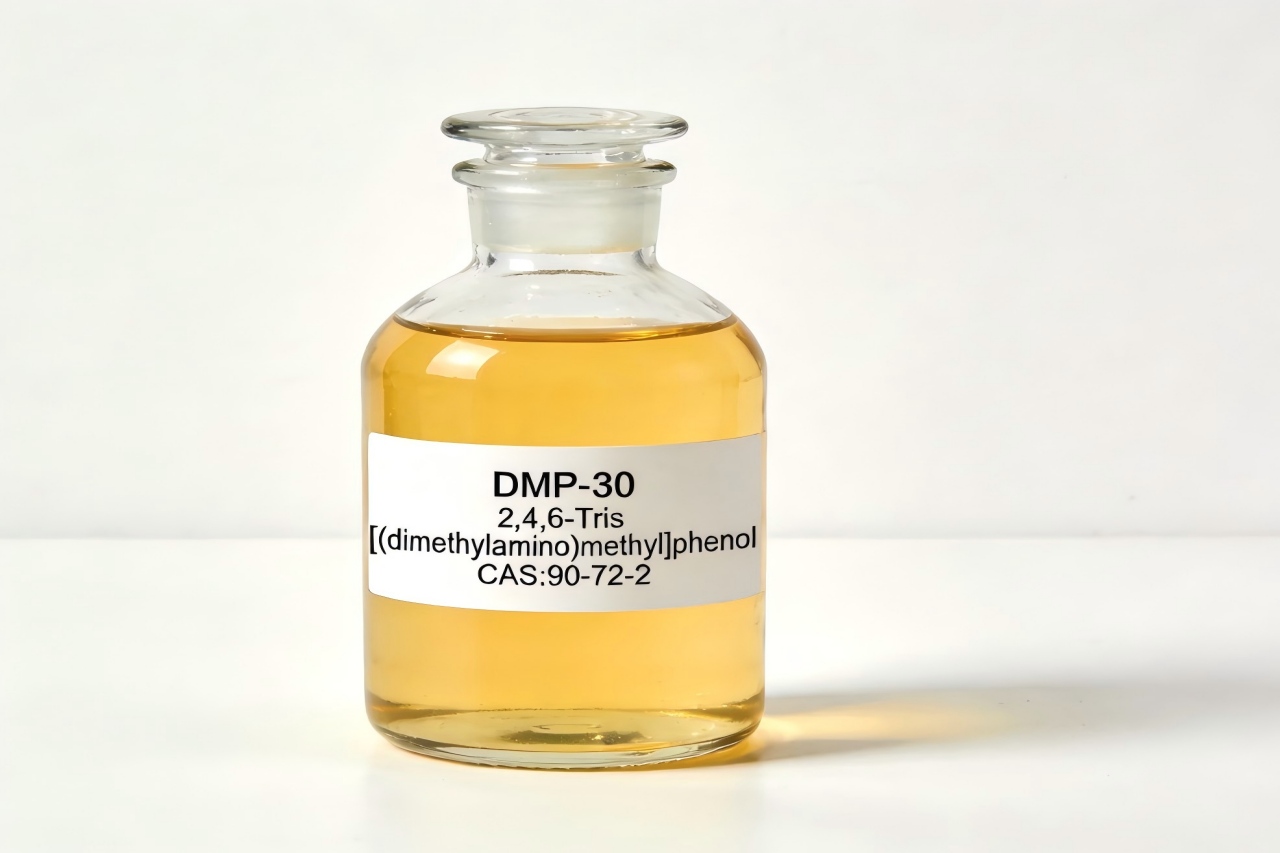
    Yolatech Company DMP-30 Equivalent Grades: K54, KH-30, HI-54K, HY960.   Yolatech DMP-30 consists of 2,4,6-Tris(dimethylaminomethyl)phenol. It is a versatile curing accelerator designed to shorten the curing time of epoxy resin systems. It exhibits excellent compatibility with Polyamine and Polyamide series epoxy curing agents. It is soluble in alcohol, benzene, acetone, and cold water, and slightly soluble in hot water.   Physical Properties Chemical Name: 2,4,6-Tris(dimethylaminomethyl)phenol Synonyms: DMP-30 / K-54 / Accelerator Catalyst HI-54K Molecular Formula: C₁₅H₂₇N₃O Molecular Weight: 265.4 CAS Number: 90-72-2 EINECS Number: 202-013-9 Appearance: Transparent light yellow liquid Color: Max 6 (Gardner) Amine Value: 580-630 mgKOH/g Viscosity (25°C): 100-300 cps (Brookfield) Moisture Content: Max 0.5% Refractive Index (20°C): 1.5150-1.5200 Specific Gravity (25°C): 0.97-0.99 Flash Point: 150°C     Applications DMP-30 serves as a curing accelerator in solvent-based or solvent-free epoxy systems, including: Polyamine series curing systems. Polyamide and Amidoamine series epoxy curing systems. Mercaptan (Thiol) series epoxy curing systems. Carboxylic Acid Anhydride or Polysulfide series epoxy curing systems. It is widely used in coatings, adhesives, and flooring industries. It acts as a catalyst for epoxy automotive body adhesives, epoxy-anhydride systems, and as a solid catalyst for isocyanates and polyols.     Mechanism of Action The reaction between epoxy resin (containing epoxy groups) and amine curing agents (such as aliphatic amines and polyamides) is a nucleophilic ring-opening reaction: the amine group (-NH₂) attacks the ring of the epoxy group, opening the ring to form hydroxyl groups (-OH), which then undergo further crosslinking.However, this reaction is slow at room temperature (especially in low-temperature environments). DMP-30's phenolic hydroxyl group activates the epoxy group via hydrogen bonding, while the dimethylamino group (-N(CH₃)₂) acts as a nucleophile to promote the combination of the amine and epoxy groups. This significantly lowers the activation energy, shortening the curing time by 30%-50% (e.g., at 25°C, curing takes 24 hours without accelerator, but only 8-12 hours with DMP-30).   Recommended Dosage 1. As Epoxy Curing Agent: When used alone, the dosage for YLE-128 epoxy resin (Epoxy Equivalent Weight 185-195) is approximately 10%. It enables rapid curing at room temperature or low temperatures for coatings, castings, and sealants. For YLE-220 epoxy resin, the dosage is approximately 12.5%. For Epoxy-Liquid Polysulfide systems, the dosage is 10-15% for room temperature curing and 6% for heat curing. It imparts unique bonding, casting, and sealing properties. Typical range: 5-15 PHR. 2. As Epoxy Accelerator: When mixed with other epoxy curing agents, it acts as an accelerator to increase curing rates. Dosage is 0.1%-3% PHR of the main curing agent. Widely used in anti-corrosion coatings, cast floor concrete protection, and adhesives. 3. As Polyurethane Catalyst: It is a catalyst for isocyanate trimerization. It has higher catalytic selectivity for Polyisocyanurate (PIR) reactions compared to PUR, making it suitable for PIR formulations. DMP-30 is a milder activity catalyst; it requires a larger dosage in formulations, resulting in a gentle reaction, stable rise, good flowability, and end products with PIR high-temperature and flame-retardant effects.     Advantages Highly efficient acceleration (strong low-temperature applicability). Improves coating film hardness and chemical resistance. Good compatibility with most epoxy resins and curing agents (no phase separation).     Limitations May experience slight yellowing upon long-term UV exposure (due to phenolic hydroxyl oxidation), making it unsuitable for outdoor high-gloss flooring. Irritating to skin; potential for trace formaldehyde release. Protective equipment must be worn during application.     Storage & Handling Avoid excessive heat and humidity. Store in unopened original containers at room temperature, away from fire sources, strong acids, strong bases, and strong oxidizing agents. Shelf life is 12 months from the date of production. Precautions: Please refer to the Yolatech Product DMP-30 Material Safety Data Sheet (MSDS). Packaging: 200Kg drum, 1000 IBC.  
    Read More
  • Epoxy Resin Modifier: Styrenated Phenol MSP-250
    Epoxy Resin Modifier: Styrenated Phenol MSP-250
    May 09, 2026
    Nonylphenol has long been used in epoxy resin systems as a functional aid to promote dilution. However, in recent years, with increasing health awareness and stricter environmental regulations, the use of nonylphenol has become increasingly restricted. Nanjing Youlai's Styrenated Phenol MSP-250 serves as an epoxy resin modifier. In addition to its ideal chemical properties, it meets the demands of environmental regulations.   Typical Data Product Name: Styrenated Phenol Grade: MSP-250 Appearance: Liquid Color (APHA): <200 Viscosity (cps/25°C): 300~800 Hydroxyl Value (mg KOH/g): 230~260   Performance Features As an epoxy resin modifier, MSP-250 is a clear, low-viscosity liquid. When added to the curing agent component, it accelerates the curing speed and improves the water resistance, anti-whitening properties, scratch resistance, abrasion resistance, hardness, and leveling performance of the cured product. MSP-250 exhibits color stability under both long-term and high-temperature conditions. Comparison of color performance between MSP-250 and Nonylphenol when mixed with curing agents:   Within 1 week at room temperature: No significant difference observed. Within 3 days at 60°C: MSP-250 demonstrates superior color stability compared to Nonylphenol. Within 1 week at 60°C: MSP-250 demonstrates superior color stability compared to Nonylphenol.   Application Area Epoxy Coatings & Heavy-duty Anti-corrosion Coatings: Acts as a plasticizer, diluent, and accelerator. Craft & Jewelry Adhesives: Offers excellent transparency, abrasion resistance, and adhesion. Electronics & Electrical: Suitable for potting, varnishes, industrial adhesives, and LED encapsulation. Automotive Sealants: Improves bonding for doors and headliners, providing waterproofing and rust prevention for internal and external panels. Civil Engineering & Construction: Applicable for crack sealing, crack injection, carbon fiber reinforcement, and steel reinforcement.
    Read More
  • High-Temperature-Resistant Trifunctional Liquid Epoxy Resin YLSE-0500 / YLSE-0510
    High-Temperature-Resistant Trifunctional Liquid Epoxy Resin YLSE-0500 / YLSE-0510
    Nov 21, 2025
    Product Description YLSE-0500 / YLSE-0510 is a high-temperature-resistant trifunctional epoxy resin based on p-aminophenol. The molecular structure contains multiple epoxy groups and aromatic rings, enabling the cured system to form a high crosslink density and aromatic density during curing. As a result, the cured material exhibits excellent heat resistance, high mechanical strength, low curing shrinkage, and good resistance to radiation, water, and chemicals. In addition, its low viscosity makes it easy to process and suitable for solvent-free operations. It is used in electrical insulation castings requiring high thermal resistance, as well as composite manufacturing processes such as carbon fiber and glass fiber filament winding, pultrusion, lamination, and prepreg production. The glass transition temperature (Tg) can exceed 200 °C.   Product Name 4-(2,3-Epoxypropoxy)-N,N-di(2,3-epoxypropyl)aniline CAS No.: 5026-74-4   Structural Formula   Technical Specifications   YLSE-0500 YLSE-0510 Appearance Brown liquid Yellow liquid EEW, g/eq 100-115 93-106 Viscosity, cps@25°C 1500-6000 500-1000 Volatiles, % Max. 1.5 Max.1.0   Main Applications High-temperature structural adhesives Carbon fiber and glass fiber composites for pultrusion and filament winding Electrical insulation materials High-temperature epoxy casting systems used in vacuum casting (RTM, VARTM) and Automatic Pressure Gelation (APG) Potting and sealing of miniature motor components High-temperature epoxy diluent   Properties of Neat Resin Castings Comparison of Casting Performance between YLSE-0500 and YLSE-0510 Using DDS (4,4'-diaminodiphenyl sulfone) as the curing agent, selected performance properties of castings made from YLSE-0500 and YLSE-0510 epoxy resins were tested. Casting preparation procedure: • Heat DDS to 200 °C (melting point 176 °C) until melted. • Preheat the epoxy resin to 100 °C. • Slowly add DDS into the epoxy resin while stirring until uniform. • Defoam under vacuum for 15 minutes. • Pour into molds and heat-cure.   The performance indicators of the resulting castings are shown in the table below: Brand type YLSE-0500 YLSE-0510 Curing agent name DDS Curing agent addition amount phr 49 Curing condition 0.5h/80°C+1h/100°C+1.5h/120°C+2h/180°C Tg(DMA method) °C 245-250 260-270 Bending performance at 25°C Strength Mpa 132 136 Modulus  Gpa 3.5 3.4 Tensile properties at 25°C Strength Mpa 64 70 Modulus  Gpa 3.8 3.6 Elongation at break  % 2.3 2.8   Casting Properties of YLSE-0500 with Methyl Tetrahydrophthalic Anhydride (MTHPA) YLSE-0500 epoxy resin is commonly used together with aromatic amine curing agents (such as diaminodiphenyl sulfone and diaminodiphenylmethane) and anhydride curing agents (such as methyl nadic anhydride, methyl tetrahydrophthalic anhydride, and methyl hexahydrophthalic anhydride).   The casting properties of YLSE-0500 cured with methyl tetrahydrophthalic anhydride (MTHPA) at 25 °C are shown in the table below: Tensile strength Mpa Bending strength Mpa Impact strength Kj/m2 Elongation at break  % Tg(DSC)  %  20-30 90-100 8-10 1.5-2.5 190-200 Mixing ratio(Phr): YLSE-0500/MTHPA=100/150 Curing conditions: 80℃/2h+100℃/2h+130℃/2h+180℃/3h   Precautions Due to its high functionality and high epoxy value, the curing process generates a large amount of heat, so attention must be paid to preventing runaway polymerization. If the viscosity becomes too high and causes difficulty in use, the resin may be heated to 100–120 °C for 1 hour to reduce the viscosity. During heating, please open the container lid to prevent any risk of runaway polymerization.   Equivalent Grades Similar domestic and international product grades include MY-0500, MY-0510, AFG-90, AFG-90H, etc.
    Read More
  • High-Temperature Resistant Tetrafunctional Liquid Epoxy Resin YLSE-721
    High-Temperature Resistant Tetrafunctional Liquid Epoxy Resin YLSE-721
    Nov 13, 2025
    Why is YLSE-721 our star product? What makes it so “hardcore”?   YLSE-721 is a high-performance, amino-based tetrafunctional liquid epoxy resin — an “industrial-grade bonding master” designed specifically for high-strength and high heat-resistant applications. Its name reveals the secret: “tetrafunctional” means each molecule contains four reactive sites, like a “multi-armed warrior” that can form a denser and stronger cross-linked network with curing agents. This is the key reason why its strength far exceeds that of ordinary difunctional epoxy resins. Meanwhile, its liquid form provides excellent flowability, making it ideal for potting, coating, or filling complex structures, ensuring easy and efficient application. What truly impresses users are its “three highs”: high temperature resistance, fast curing, and superior mechanical strength. Heat resistance: Continuous service temperature up to 150°C, and short-term endurance above 180°C, far outperforming standard epoxies (typically ≤120°C). Perfect for engine surroundings, motor coils, and PCB protection under high-temperature conditions. 🔧 Curing speed: Fully cures within 30–60 minutes at 60–80°C, which is 2–3 times faster than conventional epoxy systems — a real time-saver for urgent projects. Mechanical properties: Tensile strength exceeds 50 MPa, flexural strength surpasses 80 MPa, with excellent impact resistance and dimensional stability. It resists cracking even under severe vibration or thermal cycling. In addition, YLSE-721 offers outstanding electrical insulation, oil resistance, water resistance, and chemical durability — truly earning its reputation as the “Iron Man of the industrial world.”   Product Information Chemical Name: N,N,N',N'-Tetraglycidyl-4,4'-diaminodiphenylmethane CAS No.: 28768-32-3 Structural Formula     Main Applications High-temperature resistant composites such as carbon fiber and glass fiber; Potting of electronic components (e.g. power modules, LED drivers); Impregnation and insulation protection for motors and transformer coils; Precision mold manufacturing, including bonding of metals, ceramics, and composites; Bonding and sealing of aerospace structural components; Wear-resistant repair and anti-corrosion coatings for heavy-duty mechanical parts.   Usage Instructions YLSE-721 can be formulated with amine-type, anhydride-type, or imidazole-type curing agents and coupling agents to prepare adhesives, casting compounds, or composite systems for applications requiring excellent heat resistance. Common curing agents include 4,4'-diaminodiphenyl sulfone (4,4'-DDS), 4,4'-diaminodiphenylmethane (DDM), methyl tetrahydrophthalic anhydride (METHPA), methyl nadic anhydride (MNA), and 2-ethyl-4-methylimidazole (2,4EMI). If the resin appears too viscous during use, it can be heated to an appropriate temperature to reduce viscosity before mixing. To improve toughness, additives such as liquid polysulfide rubber or liquid nitrile rubber can be incorporated.   Typical Cured Properties DDS DDM METHPA MNA Test Method Glass Transition Temperature (°C) 250-260 220-230 200-210 235-240 Tensile Strength (MPa) 75 50 50 45 Tensile Modulus (GPa) 3.5 3.3 3.2 3.6 Flexural Strength (MPa) 130 120 100 97 Flexural Modulus (GPa) 3.3 3.4 4.0 3.8 Elongation at Break (%) 2.8 1.6 1.9 1.1 Impact Strength (kJ/m²) 15 10 9 8 Resin-to-Hardener Ratio (by weight) 100:52 100:42 100:42 100:150 Curing Schedule 100℃*2h+130℃*2h+160℃*2h+180℃*2h+200℃*2h   Common Mistakes to Avoid ❌ Incorrect curing agent combination: YLSE-721 must be used with specific anhydride or aromatic amine curing agents. Using general-purpose epoxy hardeners may result in incomplete curing, soft texture, or drastically reduced heat resistance ⚠️. ❌ Neglecting surface preparation: The substrate must be thoroughly cleaned, dried, and sanded; otherwise, adhesion failure or “false bonding” may occur. ❌ Overheating during curing: Although the resin has high thermal resistance, curing should be kept within the recommended temperature range (usually 60–120°C). Excessive temperature may cause bubbling or discoloration.   Precautions Due to its high functionality and epoxy value, YLSE-721 releases a large amount of heat during curing, so precautions should be taken to prevent runaway polymerization. If the viscosity is too high for convenient use, preheat the resin to 100–120°C for about one hour to lower viscosity. ⚠️ When heating, keep the container lid open to prevent polymerization explosion. This epoxy resin is alkali-resistant but not resistant to strong acids.
    Read More
  • YLEP-638 High-Performance Phenolic Epoxy Resin: Structure, Properties, and Applications
    YLEP-638 High-Performance Phenolic Epoxy Resin: Structure, Properties, and Applications
    Nov 06, 2025
    YLEP-638 Structural Characteristics The molecular backbone of YLEP-638 is a phenolic novolac structure formed by the condensation of phenol and formaldehyde, providing a rigid aromatic framework. This backbone itself has very high thermal stability and rigidity. On this phenolic framework, the hydroxyl groups react with epichlorohydrin to introduce multiple epoxy groups, making it a typical multifunctional epoxy resin. Unlike standard bisphenol-A type epoxy resins (such as E-51, functionality ≈ 2), YLEP-638 usually has an average epoxy functionality of 3.5 to 4.0 or even higher. Performance Features of YLEP-638 Outstanding Heat Resistance Origin: High crosslink density (resulting from high functionality) and rigid aromatic backbone. Performance: The cured product exhibits extremely high glass transition temperature (Tg) and heat distortion temperature (HDT), typically above 200°C and even up to 250°C. It maintains mechanical strength and dimensional stability under high temperatures with excellent creep resistance. Exceptional Mechanical Strength and Modulus Origin: Dense three-dimensional crosslinked network and rigid molecular chains. Performance: The cured product shows very high hardness, compressive strength, tensile strength, and modulus, giving it strong load-bearing capacity. Excellent Chemical Resistance Origin: The high crosslink density creates a compact and chemically inert network structure, making it difficult for solvents or chemical agents to penetrate or swell the material. Performance: It offers outstanding resistance to a wide range of organic solvents, acids, and alkalis. Its chemical resistance, particularly at high temperatures, is far superior to that of conventional epoxy resins. Superior Electrical Insulation Properties Origin: Stable chemical structure and high crosslink density. Performance: Maintains excellent dielectric strength and volume resistivity even under high temperature and humidity conditions. Processing Challenges High Viscosity: Due to its high functionality and rigid structure, YLEP-638 has very high viscosity at room temperature and must be heated (e.g., to 60–80°C) for casting, impregnation, or prepreg preparation. High Brittleness: The high crosslink density and rigid structure also result in low toughness, poor impact resistance, and low elongation at break, so it often requires the addition of toughening agents. Main Applications of YLEP-638 YLEP-638 + DOPO Used to produce halogen-free phosphorus-containing epoxy systems, successfully incorporating efficient phosphorus-based flame-retardant units into a high crosslink density epoxy network. The resulting materials combine excellent mechanical properties, heat resistance, and flame retardancy, making them ideal for green electronic encapsulation, halogen-free PCBs, high-performance flame-retardant insulating materials, and aerospace composites. Also used in carbon fiber prepregs, tennis rackets, and golf clubs.   YLEP-638 + Methacrylic Acid / Styrene Used to produce high-temperature- and corrosion-resistant phenolic epoxy vinyl ester resins, widely applied in flue gas desulfurization (FGD), power plant desulfurization tower linings, chemical storage tanks, and scrubbers for harsh environments.   YLE-128 + YLEP-638 + YLE-601 or YLE-604 Used for solder mask inks in copper-clad laminates and for anti-corrosion, high-temperature coatings (such as 900–1200°C heat-resistant and anti-oxidation coatings).   YLEP-638 + Curing Agent DDS Used to produce epoxy insulating varnishes for VPI (Vacuum Pressure Impregnation) processes, forming a strong, integrated “armor” layer on electrical coils. This layer resists high-voltage breakdown and withstands the intense heat and mechanical stress generated during motor operation. It is an essential insulation material for modern high-end electrical equipment, used in high-voltage motors, wind power generators, and traction motor stator coils, providing both insulation and flame-retardant protection. Also used in the manufacture of insulating tubes, rods, and plates.
    Read More
1 2 3 4 5
A total of5pages

leave a message

leave a message
If you are interested in our products and want to know more details,please leave a message here,we will reply you as soon as we can.
submit

home

products

WhatsApp

Contact Us